- Understanding Automatic License Plate Recognition
- Applications of Automatic License Plate Recognition
- Challenges in Implementing Automatic License Plate Recognition
- Best Practices for Effective Use of Automatic License Plate Recognition
- Future Trends in Automatic License Plate Recognition Technology
- Frequently Asked Questions
Understanding Automatic License Plate Recognition
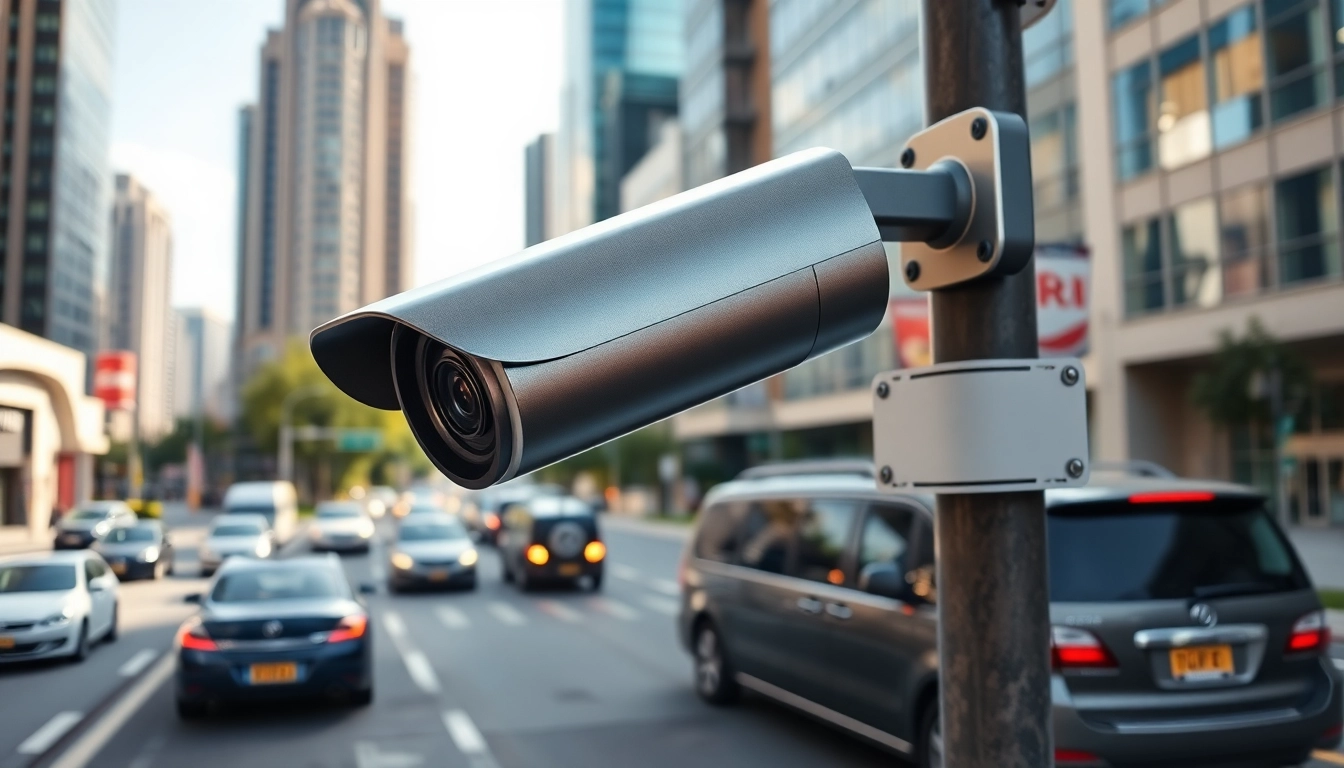
Automatic license plate recognition (ALPR) is a revolutionary technology that uses cameras and advanced software to capture, analyze, and store vehicle registration data. This system not only enhances security and efficiency in various sectors but also aids in law enforcement operations. The deployment of automatic license plate recognition technology has redefined how authorities monitor vehicular activity and manage resources.
What is Automatic License Plate Recognition?
Automatic license plate recognition refers to the use of optical character recognition (OCR) on images to read vehicle registration plates. These systems capture images of license plates and convert them into machine-readable data, which is then used for various applications—from law enforcement to toll collection. By integrating high-resolution cameras with powerful software, ALPR systems can process hundreds of vehicles per minute.
How Does Automatic License Plate Recognition Work?
The operation of an automatic license plate recognition system encompasses several steps:
- Image Capture: Cameras positioned at strategic locations capture images of passing vehicles.
- Image Processing: The captured images are analyzed using algorithms to detect and recognize the license plate characters.
- Data Storage: The extracted information is stored in databases for real-time or future reference.
- Actionable Insights: The data can be cross-referenced with databases, such as stolen vehicle registries, providing alerts or notifications to authorities.
Key Components of Automatic License Plate Recognition Systems
ALPR systems consist of several integral components:
- Cameras: High-resolution cameras are critical for capturing clear images in various lighting conditions.
- Software: The software is responsible for image processing, OCR, and data management.
- Database: A secure database stores the captured plate numbers along with metadata such as time and location.
- User Interface: A user-friendly interface is vital for operators to access and manage the data efficiently.
Applications of Automatic License Plate Recognition
The versatility of automatic license plate recognition spans numerous sectors, showcasing its effectiveness and utility.
Law Enforcement and Public Safety
One of the most prominent applications of ALPR is in law enforcement. Police departments utilize this technology for:
- Identifying Stolen Vehicles: ALPR systems can quickly flag stolen vehicles as they pass a monitoring point.
- Automating Traffic Stops: Police can run plates instantly to gather information about the owner, helping to inform potential traffic stops.
- Combatting Crime: Tracking vehicles associated with criminal activity provides law enforcement with actionable intelligence.
Traffic Management and Monitoring
ALPR technology also plays a crucial role in traffic management by:
- Data Collection: Systems can gather data about traffic patterns, aiding infrastructure planning and traffic flow optimization.
- Congestion Management: Cities can monitor busy areas to implement congestion control measures in real-time.
- Vehicle Counting: Automated counting of vehicles allows for accurate assessment of roadway usage and helps justify future improvements.
Parking Enforcement Solutions
For parking enforcement, ALPR systems provide significant benefits:
- Automated Ticketing: Enforcement officers equipped with ALPR can automatically identify vehicles parked illegally and issue tickets without manual checks.
- Monitoring Payments: Integration with payment systems allows for verification of vehicle payments for parking.
- Improved Turnover Rates: Ensures efficient use of parking spaces by monitoring compliance with time limits.
Challenges in Implementing Automatic License Plate Recognition
Despite its many advantages, the implementation of automatic license plate recognition is not without its challenges.
Data Privacy Concerns
Data privacy remains a significant concern with the widespread use of ALPR technology. The collection of license plate information can lead to:
- Surveillance Issues: Continuous monitoring may infringe on individual privacy rights, raising ethical questions.
- Sensitive Data Exposure: Breaches could result in sensitive vehicle owner information being exposed.
- Regulatory Compliance: Various regions have specific laws regulating data collection, which needs to be adhered to.
Technical Limitations and Accuracy Issues
ALPR technology is not flawless. Common technical limitations include:
- Environmental Factors: Poor lighting conditions, weather, and obstructions can affect image clarity and OCR performance.
- Low Accuracy Rates: Similar-looking characters (e.g., ‘O’ vs. ‘0’) can lead to recognition errors, impacting system reliability.
Public Perception and Misunderstandings
The public’s perception of ALPR can be influenced by several factors:
- Misinformation: Many citizens may not fully understand how the technology works or its benefits, leading to resistance.
- Fear of Misuse: Concerns about potential misuse by authorities can hinder acceptance.
Best Practices for Effective Use of Automatic License Plate Recognition
To maximize the benefits of automatic license plate recognition, consider the following best practices:
Integrating with Existing Security Systems
Effective ALPR deployment requires seamless integration with existing security infrastructures, ensuring:
- Compatible Technologies: Investment in compatible hardware that can interlink with existing systems for holistic security.
- Comprehensive Training: Training staff on the proper usage and functionalities of ALPR systems enhances efficacy.
Ensuring Compliance with Regulations
Compliance with local laws is key to operating ALPR legally and ethically. Organizations should:
- Conduct Regular Audits: Regular assessments ensure data handling practices adhere to regulations.
- Implement Secure Data Practices: Utilize encryption and secure access protocols to protect sensitive information.
Enhancing User Training and Awareness
Creating a knowledgeable user base can vastly improve ALPR effectiveness. Training should focus on:
- Operational Protocols: Familiarizing users with operational and troubleshooting methods.
- Ethical Use: Instilling a sense of responsibility towards data collection, emphasizing the importance of privacy and data protection.
Future Trends in Automatic License Plate Recognition Technology
The landscape of automatic license plate recognition is set to evolve as technology advances. Here are some expected trends:
Advancements in AI and Machine Learning
Artificial Intelligence (AI) and machine learning will enhance ALPR capabilities by:
- Improving Accuracy: Advanced algorithms can reduce errors and improve the recognition of complex plate formats.
- Predictive Analytics: Analyzing historical data to forecast traffic trends or potential security threats.
Integration with Smart City Technology
ALPR systems will increasingly be integrated with smart city infrastructure, allowing for:
- Holistic Data Sharing: Integration with traffic signals, parking systems, and emergency response units to improve urban mobility.
- Enhanced Public Safety: Real-time data sharing can lead to rapid responses to incidents and improved public safety measures.
The Role of Automatic License Plate Recognition in Autonomous Vehicles
Automatic license plate recognition will play a pivotal role in the future of autonomous vehicles through:
- Navigation Support: Ensuring autonomous systems have accurate, real-time data for vehicle positioning and routing.
- Enhanced Security: Monitoring and verifying commercial fleets or public transportation systems for safety and compliance.
Frequently Asked Questions
How does automatic number plate recognition work?
ALPR works by capturing images of vehicles as they pass by and using OCR technology to read and convert the license plate numbers into usable data, which can then be checked against databases.
What are the common uses of ALPR technology?
Common applications include law enforcement for tracking stolen vehicles, traffic management for monitoring flow patterns, and parking enforcement to identify violators rapidly.
Are there privacy concerns with using ALPR systems?
Yes, concerns include potential surveillance overreach, data misuse, and the risk of unauthorized access to personal information stored in systems.
Can ALPR be used in adverse weather conditions?
While many modern ALPR systems can function in various weather conditions, heavy rain, fog, or snow can still impact image quality and thus affect recognition accuracy.
What is the future outlook for ALPR systems?
The future of ALPR technology is promising, with advancements in AI and integration with smart infrastructure expected to enhance capabilities, accuracy, and applications across various sectors.