1. Understanding the Essence of Cape Cod Home Design
The cape cod home is more than just a style of architecture; it embodies a rich history and a lifestyle that has captivated countless homeowners. Characterized by its charming simplicity and historical roots, the Cape Cod design has been a staple in American architecture since the Colonial era. As we explore the intricacies of Cape Cod home design, we’ll delve into its historical significance, traditional features, and how contemporary interpretations breathe new life into this timeless classic.
a. Historical Significance of Cape Cod Architecture
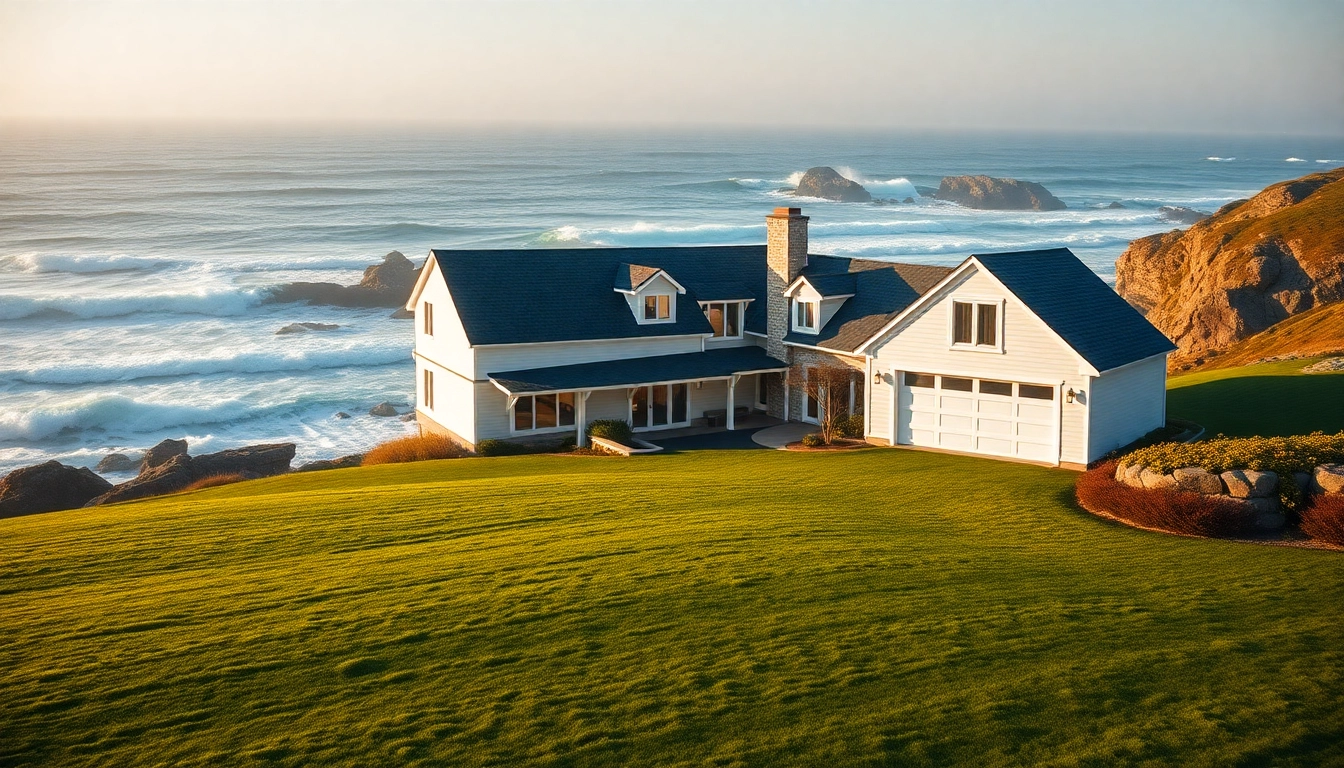
Originating in the early 1600s, Cape Cod architecture was influenced by the practical needs of early settlers in New England. These homes were designed to withstand the region’s harsh winters while providing essential shelter. The hallmark steep roof, often featuring dormer windows, allowed for effective snow runoff and maximized interior space, bringing natural light into the home. Historical context adds depth to the design, with the home’s form reflecting the cultural and environmental challenges of the time.
b. Traditional Features and Design Elements
Traditional Cape Cod homes come with several distinctive features. They typically utilize wood siding painted in muted colors, a symmetrical facade, and a centrally located front door flanked by multi-paned windows. Interior layouts emphasize simplicity, highlighted by open floor plans, with living areas blending seamlessly into kitchens. The iconic “Cape Cod” chimney, often perched at the center of the roof, exemplifies the style’s practical aesthetics, showcasing both form and function.
c. Modern Interpretations of Cape Cod Home
Modern architects have reimagined the Cape Cod home to include sustainable elements and contemporary aesthetics while staying true to its roots. Today’s designs might incorporate larger windows for increased natural light and energy efficiency, open-concept living spaces, or eco-friendly materials. This evolution balances the nostalgia of traditional craftsmanship with the demands of modern living, proving that the Cape Cod home can adapt without losing its identity.
2. Planning Your Cape Cod Home Expansion
Expanding a cape cod home requires invaluable insight into the architectural style. Whether you’re looking to add an attic, an attached garage, or extend existing spaces, careful planning ensures your vision comes to fruition without compromising the character of your home.
a. Key Considerations for Expanding Space
When contemplating expansion, several key factors should guide your decision-making process. Consider the zoning laws within your area, determining the allowed building dimensions, height restrictions, and potential historical preservation concerns. Also, assess the structural integrity of your current home, as this will influence the safety and feasibility of any new additions. Additionally, thoughtfully envision how new spaces will integrate with the existing architecture and landscape.
b. Engaging an Architect for Your Vision
Collaborating with a skilled architect can help bring your architectural vision to life. Look for professionals with experience in Cape Cod home designs, as they understand the nuances of adapting traditional styles for modern living. Architects can guide material choices, assist with efficient space planning, and ensure that the addition harmonizes with the original structure’s character, protecting its historical essence.
c. Budgeting for Your Cape Cod Home Project
Budgeting is a critical part of any home expansion project. Start by determining overall costs, including design fees, permits, and construction expenses. It is wise to include a contingency budget to account for unforeseen circumstances that may arise during construction. Remember, the extent of the expansion, material quality, and specific feature choices, such as energy-efficient systems or high-end finishes, will impact costs significantly.
3. Choosing the Right Materials and Finishes
The materials and finishes you choose for your cape cod home can make a substantial difference in both aesthetic appeal and durability. Selecting the right options is crucial for maintaining the character and integrity of your home while enhancing its overall value.
a. Sustainable Options for Your Cape Cod Home
Sustainability is increasingly becoming a priority for homeowners looking to make environmentally-conscious choices. Options such as reclaimed wood, composite siding, and energy-efficient windows not only align with sustainable practices but also contribute to the Cape Cod aesthetic with natural textures and tones. Green roofs or rain gardens can also be introduced in landscaping to promote environmental conservation and enhance biodiversity.
b. Color Schemes and Aesthetic Choices
Traditionally, Cape Cod homes sport a palette inspired by the coastal landscape, from soft grays and blues to earthy whites and greens. These colors not only reflect the serene nautical environment but also essential harmony with surrounding landscapes. When selecting finishes, consider both exterior siding and interior paint that creates a cohesive look, ensuring new expansions resonate with the original structure.
c. Interior vs. Exterior Materials: What to Use
When choosing materials, it’s vital to understand the differences between interior and exterior needs. Exteriors require weather-resistant materials such as cedar shingles or vinyl siding to withstand New England winters, while interiors may benefit from softer, warmer finishes that enhance comfort, like hardwood flooring, plaster walls, and classic trim details. Combining modern resilience with traditional beauty creates spaces that are both functional and inviting.
4. Functionality and Lifestyle Enhancements
Beyond aesthetics, the function of your cape cod home is vital. As families evolve, so must their living spaces. Incorporating modern features and designs tailored for lifestyle needs can significantly enhance comfort and utility.
a. Smart Home Features for Modern Living
Integrating smart home technology allows homeowners to enhance their living experience. From automated lighting systems to smart thermostats that maximize energy efficiency, these features add convenience without detracting from the traditional charm of Cape Cod designs. Robust wireless systems can support these innovations while ensuring that the layout and flow of spaces remain intact.
b. Designing Spaces for Family and Entertainment
Modern lifestyles often require flexible spaces. Designing open floor plans can facilitate family interaction, providing ample room for entertaining guests. Features like large kitchen islands, expansive living areas, and outdoor dining spaces can significantly enhance the usability of a home. Consider integrating multifunctional furniture that allows for easy reconfiguration according to specific occasions or needs.
c. Outdoor Living Ideas to Complement Your Cape Cod Home
Outdoor spaces are an essential extension of living areas, particularly for a cape cod home. Emphasize outdoor living with features such as decks, porches, and landscaped gardens that invite relaxation and outdoor entertaining. Fire pits, outdoor kitchens, and cozy seating can create a seamless transition between indoor and outdoor environments, enhancing overall enjoyment.
5. Frequently Asked Questions About Cape Cod Homes
a. What makes a cape cod home unique?
A Cape Cod home is unique due to its steep roofline, symmetrical design, and use of natural materials. It’s rooted in historical significance while offering a cozy aesthetics and functional layouts that resonate with its coastal environment.
b. How can I improve the energy efficiency of my cape cod home?
Improve energy efficiency by upgrading to energy-efficient windows, adding insulation, and utilizing smart thermostats. Opting for sustainable building materials further enhances eco-friendliness.
c. What are popular interior design trends for cape cod homes?
Popular trends include open floor plans, light airy color palettes, rustic finishes, and the incorporation of modern technology, all while maintaining the traditional Cape Cod charm.
d. Are there specific landscaping tips for Cape Cod homes?
Consider native plants, lightweight gardens, and ocean-tolerant species for landscaping. Features like pathways, patios, and seating areas should complement the natural surroundings.
e. What is the cost range for expanding a cape cod home?
Cost can vary significantly based on the scope of the project, materials used, and labor costs. On average, homeowners can expect to spend anywhere from $200 to $400 per square foot for high-quality expansions.