Understanding the Importance of an Exit Door
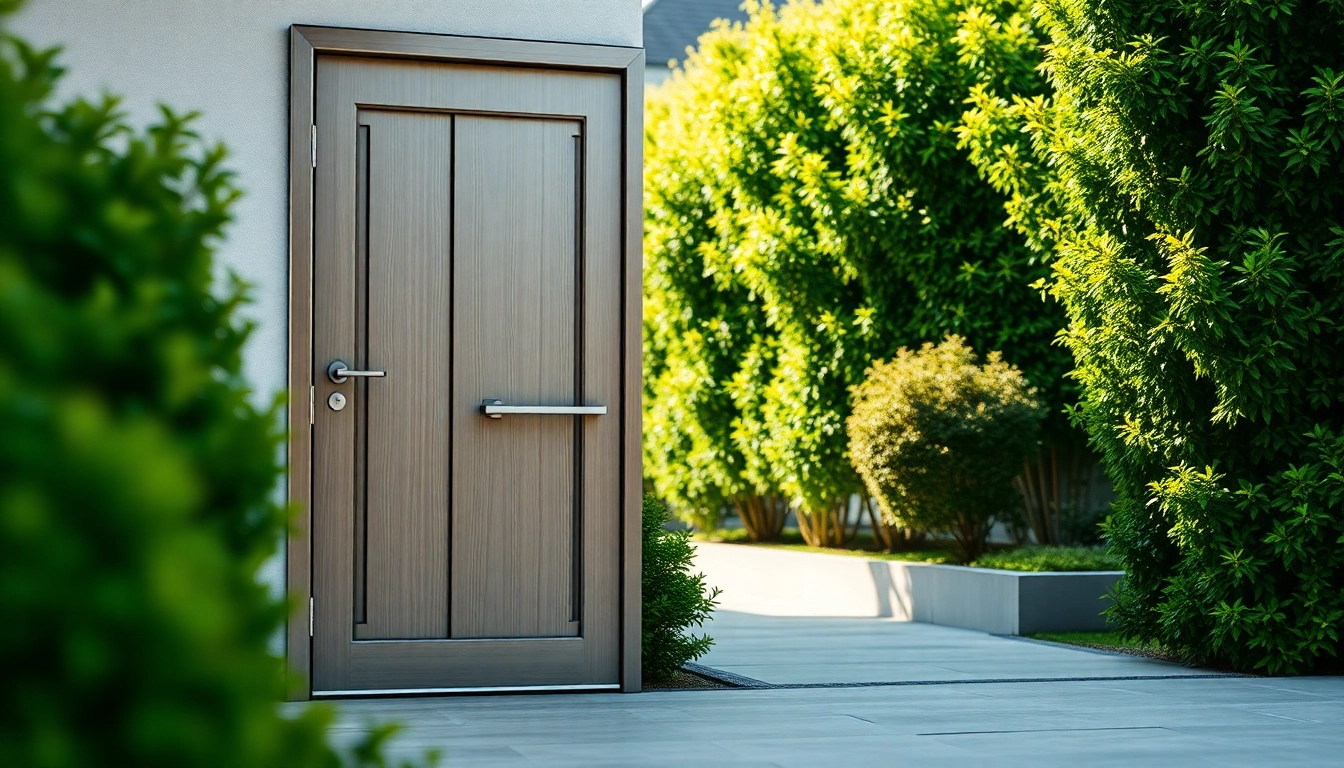
In both residential and commercial properties, the significance of an exit door cannot be overstated. These doors serve as essential access points, providing a means of escape during emergencies and ensuring that daily operations run smoothly. A well-chosen exit door can enhance safety, security, and aesthetic appeal, making it a critical feature in the design and functionality of a space.
What Makes an Exit Door Essential?
The primary role of an exit door is to provide a safe and swift route out of a building in case of emergencies, such as fire, flood, or other hazardous situations. It is not only about practicality but also about compliance with building codes and regulations, which mandate that exit doors meet specific safety standards. Furthermore, an effective exit door can deter unauthorized access, thereby improving security. The psychological aspect of having a reliable exit point can also improve occupants’ comfort, knowing they can safely evacuate if necessary.
Types of Exit Doors Available
There are several types of exit doors, each designed for specific functions and environments:
- Single Exit Doors: Common in residential homes, these doors typically swing outward and are equipped with basic locking mechanisms.
- Double Exit Doors: Often found in commercial buildings, double doors allow for larger groups of people to exit quickly, particularly in emergencies.
- Fire Exit Doors: Designed to withstand high temperatures, fire doors help contain flames and smoke, providing a safer route for evacuation.
- Emergency Exit Doors: Usually marked with clear signage, these doors are often equipped with panic bars to facilitate quick escape.
Key Features to Look For
When selecting an exit door, consider the following features:
- Robust Construction: Exit doors should be constructed from durable materials to withstand wear and tear.
- Security Features: Look for options with advanced locking systems such as deadbolts or electronic access controls.
- Accessibility: Doors should be easy to operate, especially for individuals with disabilities, complying with ADA standards.
- Weather Resistance: Ensure the door material provides insulation and protects against moisture, maintaining the building’s energy efficiency.
Materials Used in Exit Doors
Choosing the right material is crucial for the performance and longevity of an exit door. The selection of materials affects durability, maintenance, security, and overall aesthetic appeal.
Wooden Exit Doors: Pros and Cons
Wooden exit doors offer a classic look and can fit seamlessly into various architectural styles. While they can enhance aesthetics and insulation, they may suffer from vulnerability to moisture and pests. Regular maintenance is required to prevent warping or decay. Ideally, wooden doors should be treated or engineered for durability in high-traffic areas.
Steel Exit Doors: Durability and Security
Steel exit doors are known for their unparalleled strength and security, making them a popular choice for commercial applications. Resistant to impacts and forced entry, they are a top choice for environments requiring high levels of security. However, they can be prone to rust unless properly coated and are typically less aesthetically versatile compared to wooden options.
Fiberglass Exit Doors: Energy Efficiency Benefits
Fiberglass exit doors blend the best of both worlds. They are designed to mimic the appearance of wood while providing the durability of steel. Fiberglass is highly energy-efficient, offering excellent insulation properties that help reduce energy costs. Additionally, they are resistant to dents and scratches, making them ideal for high-traffic areas.
Installing an Exit Door: Step-by-Step Guide
Proper installation of an exit door is paramount to ensuring it performs effectively. Here’s a breakdown of how to install one correctly.
Preparing the Door Frame
Before installing your exit door, ensure that the door frame is square, level, and free of any obstructions. Remove any old trim and prepare the area by cleaning and placing shims where necessary. This helps achieve a tight fit and allows the door to function without hindrance.
Tools Required for Installation
To install an exit door, gather the following tools:
- Drill and drill bits
- Level
- Hammers and nails or screws
- Measuring tape
- Shims
- Utility knife
Common Mistakes to Avoid
Avoid these common pitfalls during installation:
- Failing to check for level and plumb before securing the door frame.
- Not allowing enough space for door swings or hardware—this can impact functionality.
- Skipping weather-stripping can compromise energy efficiency.
Maintaining Your Exit Door
Once installed, maintaining your exit door is essential to prolong its lifespan and ensure it continues to function effectively.
Regular Inspection Tips
Conduct regular inspections every few months to check for signs of wear, damage, or rust. Pay close attention to weatherstripping, hinges, and locking mechanisms to ensure they operate smoothly.
Cleaning and Care Techniques
Cleaning the door regularly not only improves aesthetics but also prevents dirt and grime buildup, which can lead to deterioration. Use a mild soap solution and a soft cloth to clean wooden surfaces, while steel doors can be wiped down with a damp rag. For fiberglass doors, a gentle detergent mixed with water will suffice.
When to Replace Your Exit Door
Consider replacing your exit door if you notice any of the following conditions:
- Severe warping, cracks, or dents
- Poor insulation or energy loss
- Malfunctioning locking mechanisms that compromise safety
FAQs About Exit Doors
1. What is the typical lifespan of an exit door?
Most exit doors last between 20-30 years, depending on material and maintenance.
2. How important is insulation for an exit door?
Insulation is crucial; it helps with energy efficiency and maintains indoor comfort.
3. Can I install an exit door myself?
Yes, with the right tools and knowledge, DIY installation is possible.
4. How can I improve the security of my exit door?
Using deadbolts, security cameras, and quality locks can enhance security.
5. What style of exit door is most popular?
Modern designs with glass accents and steel frames are currently very popular.