Understanding Electrical Fires and Their Risks
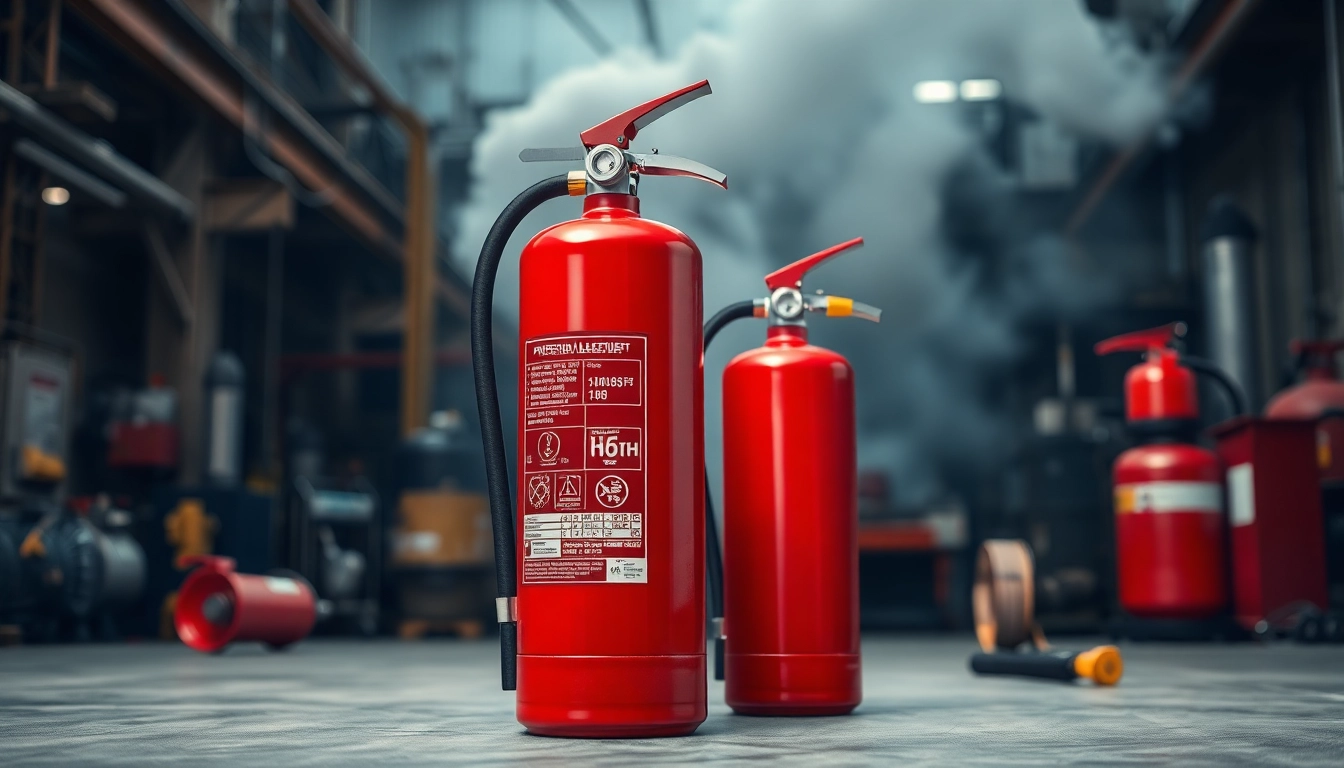
The prevalence of electrical fires poses significant risks to both residential and commercial environments. Grasping the underlying causes and nature of these fires is crucial for effective prevention and safety measures. An electrical fire extinguisher is an essential tool when addressing this hazard, as improper extinguishing methods can exacerbate the situation.
What Causes Electrical Fires?
Electrical fires can originate from various sources, many of which are related to malfunctions or improper usage of electrical appliances. Key causes include:
- Overloaded Circuits: Excessive demand on electrical circuits can lead to overheating, sparking a fire.
- Faulty Wiring: Deteriorated, exposed, or improperly installed wiring can create dangerous conditions that ignite fires.
- Defective Appliances: Malfunctioning appliances can generate excess heat, resulting in electrical fires.
- Extension Cord Misuse: Overusing extension cords can lead to overheating and potential ignition.
Common Types of Electrical Fires
Electrical fires can be categorized into different types based on their origins. Some common types include:
- Class C Fires: These fires involve energized electrical equipment. They are particularly hazardous due to the potential for electric shock.
- Transmission Fires: These occur in power lines and can rapidly escalate if not contained.
- Transformer Fires: Malfunctions in transformers can create electrical fires, particularly in industrial settings.
The Importance of Fire Safety Measures
Implementing robust fire safety measures is instrumental in minimizing risks associated with electrical fires. These measures include:
- Installing smoke detectors and fire alarms throughout premises.
- Regularly inspecting electrical systems and addressing maintenance issues.
- Training individuals in fire safety protocols, particularly the use of fire extinguishers.
Identifying the Right Electrical Fire Extinguisher
Selecting an appropriate fire extinguisher for electrical fires is crucial for effective emergency response. Not all extinguishers are suitable for this type of fire, and knowing the proper type can save lives and property.
Overview of Fire Extinguisher Classes
Fire extinguishers are categorized into classes based on the types of fires they can safely extinguish. For electrical fires, Class C fire extinguishers are specifically designed. Here’s a brief overview of relevant classes:
- Class A: For ordinary combustibles like wood and paper.
- Class B: For flammable liquids such as gasoline and oil.
- Class C: For electrical fires, typically using non-conductive agents like carbon dioxide or dry chemicals.
How to Choose an Electrical Fire Extinguisher
When considering an electrical fire extinguisher, factors include:
- Size and Rating: Choose an extinguisher rated for Class C fires, with a suitable capacity based on potential fire risk in your environment.
- Agent Type: Carbon dioxide (CO2) and dry chemical agents are effective for electrical fires.
- Accessibility: Position extinguishers in easily accessible locations to ensure rapid response during emergencies.
Local Regulations and Recommendations
Understanding local safety regulations is pivotal when selecting fire extinguishers. Many jurisdictions have explicit requirements regarding the types, placements, and maintenance of fire extinguishers. Ensure to:
- Consult local fire codes and regulations.
- Seek recommendations from local fire departments regarding specific extinguisher types.
- Regularly update your fire safety plan according to changes in regulations or occupancy types.
Using the Electrical Fire Extinguisher Effectively
Knowing how to use an electrical fire extinguisher can significantly increase chances of effectively combating an electrical fire. Proper usage can mitigate extensive damage and potential injuries.
Step-by-Step Guide to Using Fire Extinguishers
Follow these steps when using a fire extinguisher:
- Pull: Pull the pin on the extinguisher to break the seal.
- Aim: Aim the nozzle at the base of the fire.
- Squeeze: Squeeze the handle to release the extinguishing agent.
- Sweep: Sweep the nozzle side to side until the fire is out.
Key Tips for Safe Operation
To maximize safety and effectiveness:
- Ensure you remain at a safe distance from the fire while using the extinguisher.
- Back away after using the extinguisher to avoid potential reignition.
- Only use a fire extinguisher if the fire is small and contained; evacuate if it is spreading.
Common Mistakes to Avoid
Avoid these common pitfalls when using extinguishers:
- Using the wrong type of extinguisher.
- Attempting to fight large fires instead of evacuating.
- Failing to check the extinguisher’s pressure gauge before use.
Maintenance and Inspection of Your Extinguisher
Regular maintenance is essential to ensure that your fire extinguishers function properly when needed. An unused extinguisher can lead to disastrous consequences if it’s not properly cared for.
Knowing When to Inspect Your Extinguisher
Follow a routine inspection schedule. It’s crucial to check extinguishers:
- Monthly for visible damages or discrepancies.
- Annually for thorough professional inspections.
- After each use to ensure they’re refilled and serviced.
How to Maintain Your Electrical Fire Extinguisher
Maintaining your extinguisher includes:
- Keeping it clean and free of obstructions.
- Ensuring gauge readings are within the operational range.
- Scheduling professional inspections as required by local regulations.
Signs of a Faulty Extinguisher
Be vigilant for signs that may indicate your extinguisher is not functioning correctly, such as:
- Visible rust or corrosion.
- Cracked or broken components.
- Improper pressure readings.
FAQs About Electrical Fire Extinguishers
What is the best type of extinguisher for electrical fires?
The best type of extinguisher for electrical fires is a Class C fire extinguisher, which uses non-conductive agents like carbon dioxide or dry chemical powders.
How do I know if my extinguisher is suitable for electrical fires?
Check the label for a Class C rating, indicating it’s designed to extinguish electrical fires without conducting electricity.
Can I use water to put out an electrical fire?
No, using water on an electrical fire can lead to shock and intensify the fire. It’s crucial to use the appropriate extinguisher.
How often should I inspect my electrical fire extinguisher?
Inspect monthly for visible damages and schedule professional inspections annually or after any use to ensure readiness.
What should I do if my fire extinguisher doesn’t work?
If your fire extinguisher doesn’t work, evacuate the area immediately and call emergency services for help, ensuring safety first.