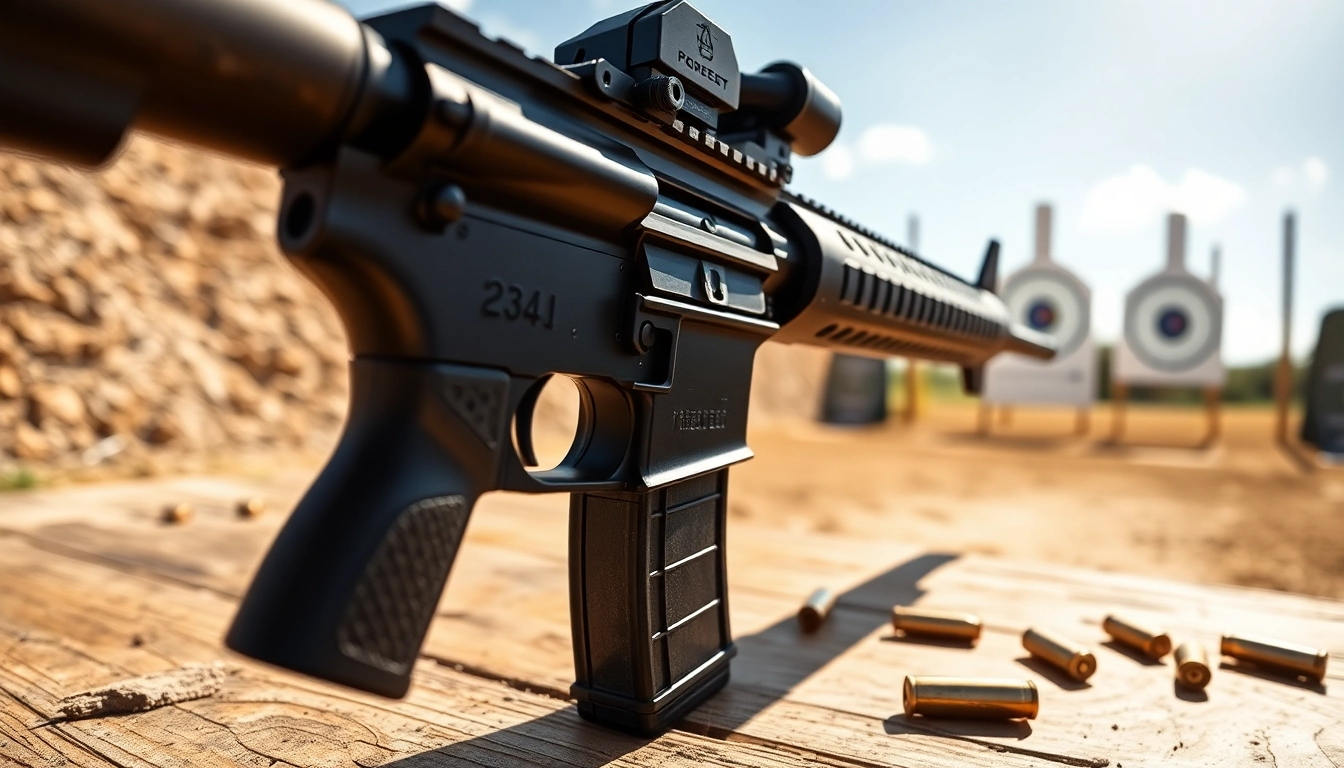
Introduction to the Forced Reset Trigger AR 15
The forced reset trigger (FRT) is an innovative product designed to enhance the shooting experience of the AR-15 platform. This unique mechanism allows shooters to achieve rapid-fire capabilities without the complexities associated with traditional automatic gun systems. In this guide, we will delve into forced reset trigger ar 15, exploring its workings, benefits, and the legal landscape surrounding its use.
What is a Forced Reset Trigger?
A forced reset trigger represents a significant evolution in trigger technology. Unlike conventional triggers that require a manual reset for each shot, the FRT automatically resets itself after each round is fired. This mechanism allows the shooter to maintain control while firing at a rapid pace, potentially increasing accuracy during high-pressure situations.
Key Features and Benefits
- Automatic Reset: The unique design ensures a swift reset after every shot, providing a seamless firing experience.
- Enhanced Rate of Fire: Allows for faster shooting without compromising accuracy or control.
- Improved Trigger Discipline: Encourages shooters to develop better finger placement and discipline, reinforcing safe handling practices.
- Customization: Many FRTs can be adjusted for pull weight or travel distance, allowing for personalized setups.
Legal Considerations Surrounding FRTs
One of the most contentious aspects of forced reset triggers is their legal status. As of now, FRTs are classified legally differently across various jurisdictions. It is crucial to understand the local regulations regarding these devices, as they can be viewed differently from state to state, affecting their availability and legality.
Mechanics of Forced Reset Trigger AR 15
How the Mechanism Works
The mechanics behind a forced reset trigger involve a series of internal modifications that alter how the AR-15’s firing mechanism engages. The fundamental idea is to create a mechanism that resets automatically after a shot is fired, which requires a carefully engineered design. This system operates using a modified hammer and modified bolt carrier group interaction, leading to reduced trigger and cycling times.
Comparative Analysis with Other Triggers
When comparing the forced reset trigger with standard semi-automatic or binary triggers, the distinctions become evident. Standard triggers require complete release and pull for each shot, while binary triggers allow firing on both pull and release. The FRT, however, operates in its own category by facilitating rapid succession shots without the need for pulling the trigger entirely between shots.
Common Misconceptions and Clarifications
Despite their increasing popularity, misconceptions surround forced reset triggers. One common belief is that they function like machine guns; however, this is untrue. FRTs do not fire rounds continuously unless the trigger is pulled. They also demand more trigger discipline than regular triggers, which can intimidate those unfamiliar with the technology.
Installation and Maintenance Tips for Forced Reset Trigger AR 15
Step-by-Step Installation Guide
Installing a forced reset trigger can be a straightforward process if done correctly. Here are the general steps to follow:
- Ensure your workspace is safe and free from live ammunition.
- Disassemble the AR-15 according to standard procedures.
- Remove the existing trigger assembly carefully.
- Install the forced reset trigger, ensuring all pins and components are securely placed.
- Reassemble the lower receiver, paying close attention to safety features.
- Conduct a function check to ensure everything operates smoothly.
Essential Maintenance Practices
Maintaining your forced reset trigger is vital for its longevity and performance. Regular inspection for dirt or debris, lubrication of moving parts, and checking the trigger pull weight will help keep the system in optimal functioning condition. Documentation of usage can also provide insights into wear patterns, indicating when specific components may need replacement.
Common Issues and Troubleshooting
Some users might encounter issues with their forced reset triggers, such as failure to reset or inconsistent firing. Common troubleshooting steps include:
- Check for any obstructions in the trigger assembly.
- Ensure all screws are tight and components correctly installed.
- Review lubrication levels and condition of parts for wear or damage.
Performance Metrics and Effectiveness
Impact on Shooting Speed and Control
Users of forced reset triggers often report significant improvements in shooting speed and control. With practice, shooters can achieve higher rates of accurate fire due to the FRT’s automatic reset mechanism. Studies have shown that, in controlled environments, shooters have fired multiple rounds in quick succession, maintaining accuracy and precision.
User Experience and Feedback
User feedback on forced reset triggers varies widely. While many appreciate the rapid-fire capabilities and enhanced discipline it cultivates, others caution about possible over-dependence on this technology. It is crucial for users to approach FRTs as tools that require practice to leverage effectively.
Statistical Comparisons of Trigger Performance
Statistical analyses suggest that shooters using forced reset triggers can achieve firing rates comparable to those using binary triggers, with the added benefit of enhanced control during rapid fire. Research conducted across various shooting disciplines indicates that this trigger type can outperform standard triggers in specific scenarios, particularly in stress-based shooting exercises.
Conclusion and Recommendations
Who Should Use a Forced Reset Trigger AR 15?
The forced reset trigger AR 15 is best suited for educated shooters looking to enhance their skills in rapid-fire scenarios, such as competitive shooting, tactical training, or recreational shooting environments. This trigger type is also valuable for individuals committed to mastering trigger control and discipline.
Long-term Considerations Before Purchasing
Before acquiring a forced reset trigger, potential buyers should consider their intended use, skill level, and local laws regarding these devices. Understanding the long-term implications of adding such a trigger to their arsenal is essential for making an informed choice.
Final Thoughts on FRT Usage and Legality
While the forced reset trigger AR 15 provides exciting advancements in trigger technology, responsible usage, understanding legal boundaries, and continued practice are paramount in maximizing its benefits. With thoughtful consideration and adequate preparation, shooters can effectively utilize this innovative development in their shooting practice.
FAQs
Is a forced reset trigger legal?
The legality of forced reset triggers varies by state. Federal guidelines currently classify them as acceptable, but it’s essential to check local laws.
What are the drawbacks of a forced reset trigger?
Some drawbacks include a steep learning curve and the demand for precise finger control, which may hinder those less experienced with firearms.
How does a forced reset trigger enhance shooting?
It allows for rapid shooting without significant trigger pulling, thus increasing shooting speed while maintaining control and accuracy.
Can I install a forced reset trigger myself?
Yes, installation can be done at home with basic tools. However, it requires attention to detail and an understanding of firearm assembly.
What maintenance do forced reset triggers require?
Regular inspection, cleaning, and lubrication of moving parts are necessary to ensure proper functioning and longevity of the trigger mechanism.