Understanding High-Quality Roofing Solutions
Definition of High-Quality Roofing Solutions
High-quality roofing solutions refer to the various roofing options and systems designed to deliver superior performance, aesthetics, durability, and longevity. These solutions encompass well-crafted materials, expertly executed installations, and adherence to industry standards, ensuring maximum protection and value for property owners. Ideal high-quality roofing not only enhances the structural integrity of a building but also plays a crucial role in energy efficiency and long-term cost savings.
Importance of Choosing Quality Roofing
Selecting high-quality roofing solutions is paramount for several reasons. First and foremost, quality roofing safeguards your property against weather elements, pests, and other environmental factors. Poorly constructed roofs can lead to leaks, structural damage, and costly repairs down the line. Furthermore, high-quality roofing systems translate into better energy efficiency, reducing heating and cooling costs. Lastly, a well-maintained, aesthetically pleasing roof can significantly boost your property’s market value, making it an essential investment for both homeowners and commercial property managers.
Common Materials Used in High-Quality Roofing Solutions
Various materials are commonly employed in high-quality roofing solutions. Each material possesses unique properties that make it suitable for different types of buildings and climates. Here’s a breakdown of popular roofing materials:
- Asphalt Shingles: These are the most commonly used roofing materials in residential construction. They are cost-effective, lightweight, and come in various colors and styles.
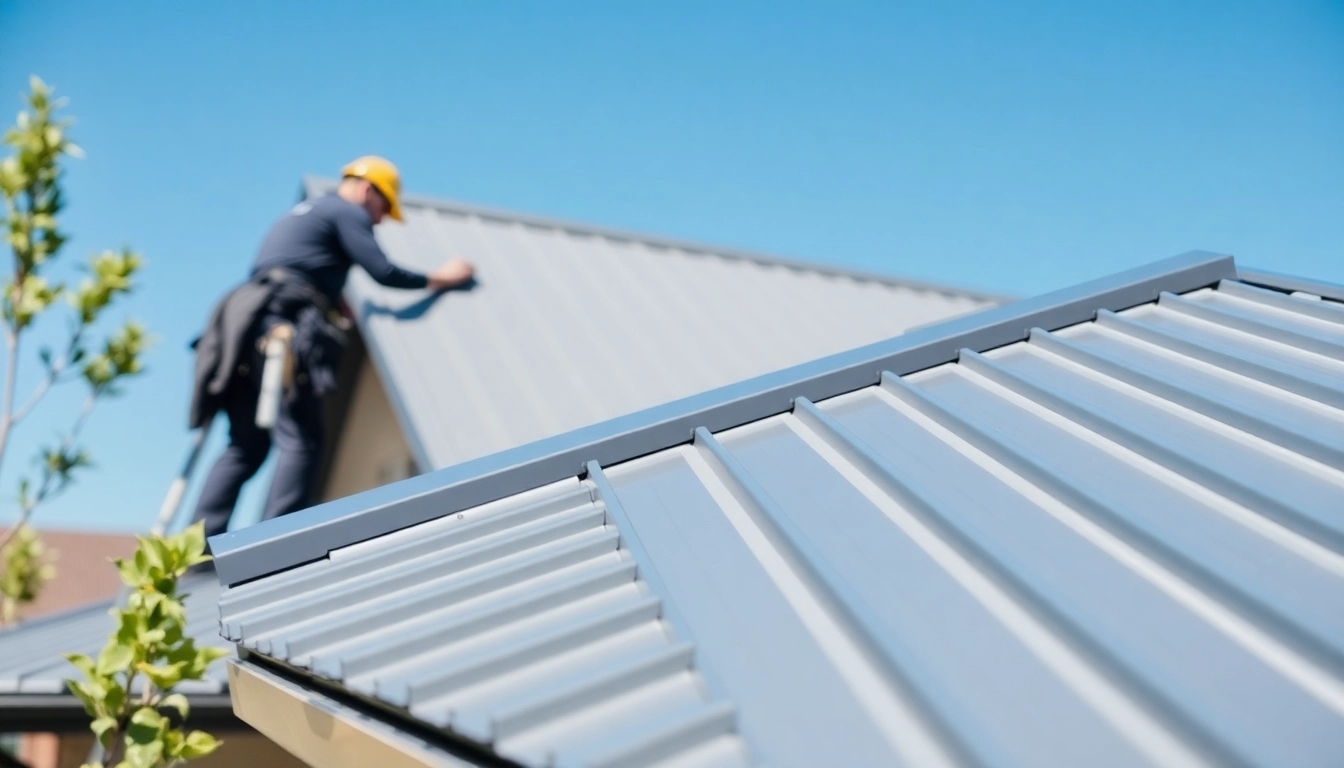
- Metal Roofing: Known for its longevity and durability, metal roofing is resistant to extreme weather and can be made from various metals, including steel, aluminum, and copper.
- Clay and Concrete Tiles: These materials provide excellent insulation and durability, making them suitable for hot climates. They can last over a century with proper maintenance.
- Slate: A premium roofing material, slate is extremely durable and aesthetically pleasing but comes with a higher installation cost.
- Wood Shingles and Shakes: These offer natural beauty and good insulation but require more maintenance to prevent rot and insect damage.
- EPDM and TPO for Flat Roofs: These rubber and thermoplastic materials are ideal for flat roofs, providing effective waterproofing.
Factors to Consider When Selecting Roofing Solutions
Climate Impact on Roofing Choices
The local climate holds significant influence over the choice of roofing materials. Different regions encounter various weather conditions, including heavy rain, snow, or intense heat, which can affect the performance and longevity of roofing systems. For example, in areas prone to heavy rainfall, durable waterproof materials like metal or high-quality asphalt shingles should be prioritized. Conversely, homeowners in hotter climates should consider reflective materials that help keep homes cooler.
Budgeting for High-Quality Roofing Solutions
Budgeting is a critical factor when selecting roofing solutions. While it might be tempting to go for the lowest bid, it’s essential to recognize the long-term implications of cheaper roofing options. Higher-quality materials and installation might involve a higher upfront cost, but they often come with extended warranties and reduced maintenance needs, ultimately saving owners money over time. A comprehensive cost analysis should include materials, labor, permits, and any additional features, such as insulation or installation of energy-efficient systems.
Assessing Aesthetic Preferences
The visual appeal of a roof can significantly affect the overall aesthetics of a property. It’s crucial to choose a roofing solution that not only offers structural benefits but also complements the architectural style of the home or building. From color palettes to tile shapes and materials, homeowners should consider how their roofing choice enhances the exterior appearance and curb appeal of their property.
The Benefits of Investing in High-Quality Roofing Solutions
Longevity and Durability of Quality Roofing
One of the most significant benefits of high-quality roofing solutions is their durability and longevity. Quality materials, when properly installed, can withstand severe weather conditions, allowing for a longer lifespan than lower-quality options. For instance, metal roofs can last 40 to 70 years, while well-maintained asphalt roofs can endure 20 to 30 years. This longevity reduces the frequency and cost of roof replacements, meaning property owners can enjoy peace of mind regarding their investment.
Energy Efficiency and Sustainability
High-quality roofing solutions are not only built for durability but also engineered for energy efficiency. Roofs that incorporate cool roofing technologies or reflective materials can significantly lower indoor temperatures, leading to reduced energy consumption for heating and cooling. Furthermore, sustainable roofing options, such as green roofs, allow for vegetation to grow on rooftops, promoting biodiversity and enhancing air quality.
Enhancing Property Value Through Quality Roofing
A roof is often one of the first things potential buyers notice about a property. Investing in high-quality roofing solutions can significantly enhance a property’s value. A well-maintained, aesthetically pleasing roof can attract prospective buyers by indicating that the home has received proper care and attention. Additionally, many buyers often prioritize energy efficiency, making energy-efficient roofing solutions particularly appealing.
Installation Process for High-Quality Roofing Solutions
Preparing Your Home for Roofing Installation
Preparation is crucial for a successful roofing installation. Homeowners should start by clearing the surrounding area of debris, vehicles, and obstacles that could interfere with the workers or equipment. It’s also essential to ensure that pets and children are kept at a safe distance during the installation process. Communication with your roofing contractor about the timeline and steps involved can help to mitigate inconveniences.
Steps in the Roofing Installation Process
The installation process for high-quality roofing typically involves several key steps:
- Inspection: Before any materials are ordered, a thorough inspection of the existing roof is conducted to identify any underlying issues or necessary repairs.
- Preparation: Contractors will prepare the roof deck (the surface underneath the roof) by ensuring it is clean, dry, and free of damage.
- Installation of Underlayment: A protective barrier is laid down to prevent moisture infiltration.
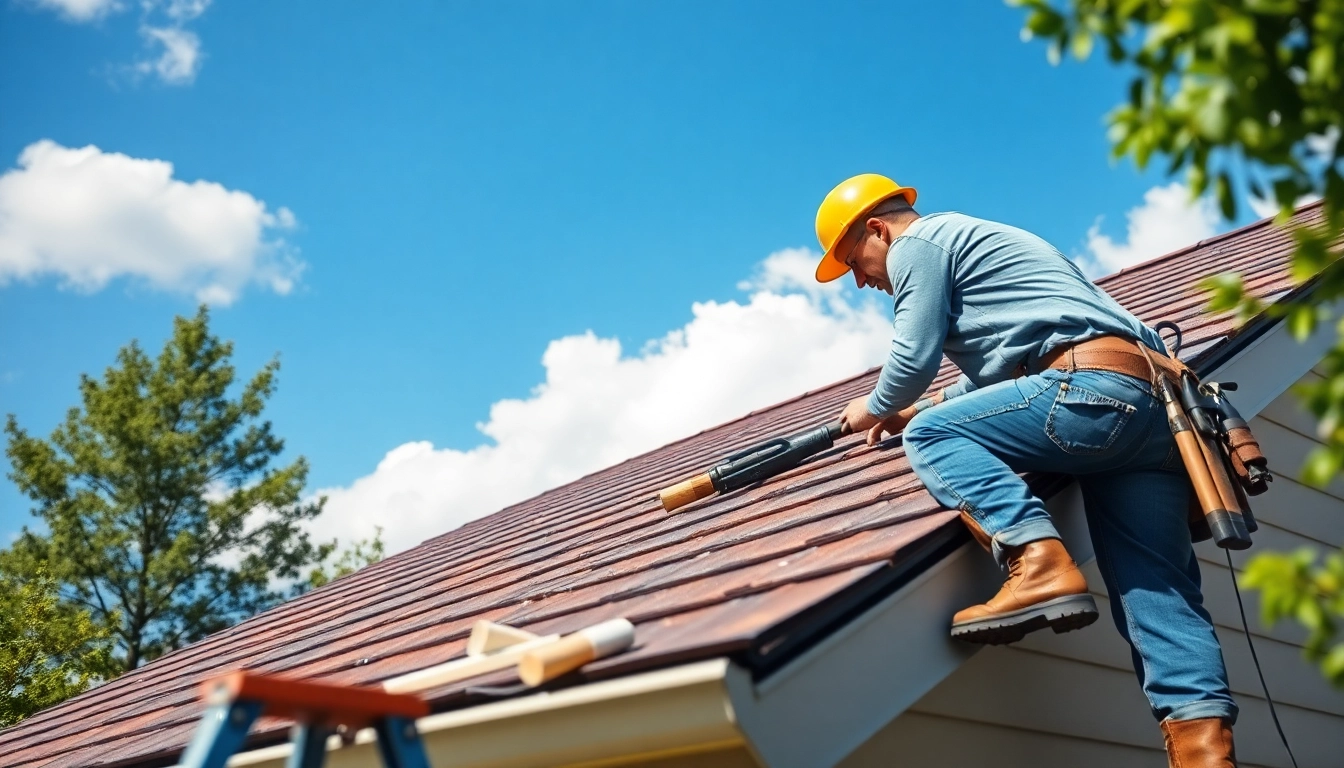
- Roof Material Installation: The chosen roofing material is installed according to manufacturer specifications and best practices.
- Final Inspection: Once the installation is complete, a thorough inspection is conducted to ensure all elements are secured and functioning correctly.
Post-Installation Maintenance Tips
After the installation of a high-quality roof, proper maintenance is essential to ensure its longevity. Homeowners should regularly inspect their roofs for signs of wear, damage, or debris accumulation. Cleaning gutters and downspouts, ensuring drainage is effective, and addressing any repairs promptly can prevent future issues. Additionally, scheduling professional inspections at least once a year can help identify any potential problems before they escalate.
Comparing High-Quality Roofing Solutions with Budget Alternatives
Cost vs. Value in Roofing Solutions
When comparing high-quality roofing solutions to budget alternatives, it’s important to understand the distinction between cost and value. While budget roofing solutions might have a lower initial cost, they often come with trade-offs in quality, durability, and long-term performance. In contrast, high-quality roofing options may require a greater initial investment but offer enhanced value through longevity, fewer repairs, and improved energy efficiency over time.
Risks of Choosing Lower-Quality Roofing
Opting for lower-quality roofing solutions can expose homeowners to various risks. One of the most significant concerns is the potential for leaks, which can lead to costly water damage, mold growth, and structural issues. Additionally, inferior materials may degrade more quickly, requiring frequent replacements and repairs that can quickly add up in costs. The lack of warranties and limited performance assurances with budget options can leave homeowners unprotected and vulnerable.
Making an Informed Decision on Roofing Solutions
Making an informed decision on roofing solutions involves considering various factors, including climate, property value, aesthetic preferences, and budget capabilities. Engaging with knowledgeable roofing contractors can provide insights into the best options for your specific needs. Thorough research into materials and installation practices is vital, ensuring that you select high-quality roofing solutions that will safeguard your investment for years to come. For more information, explore high-quality roofing solutions offered for various residential and commercial properties.