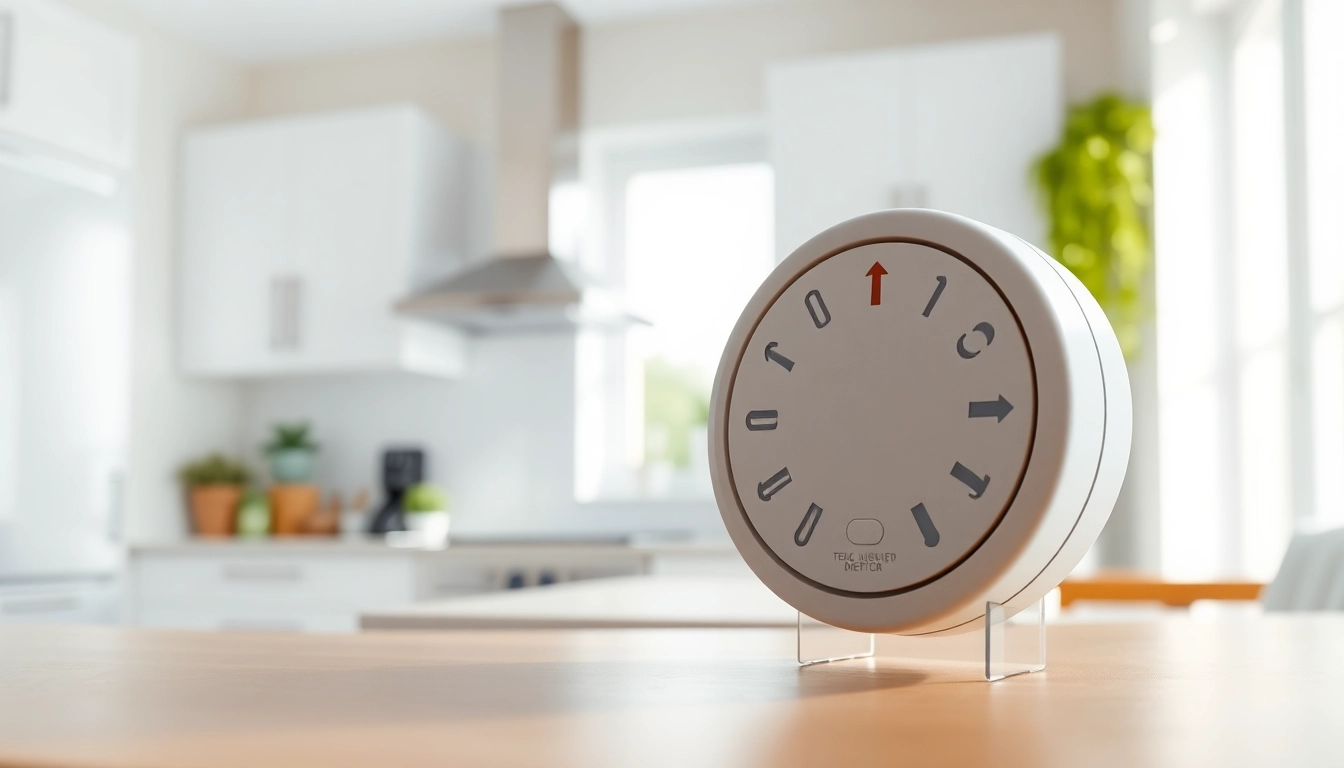
Understanding Carbon Monoxide Detectors
Carbon monoxide (CO) is often referred to as a 'silent killer' due to its colorless, odorless nature and its ability to cause illness or even death without warning. The importance of being equipped with a reliable carbon monoxide detector cannot be overstated, especially since potential sources of CO, such as gas furnaces, stoves, or vehicles, are common in most homes. If you are experiencing a carbon monoxide detector beeping, understanding the underlying causes and appropriate responses is crucial for ensuring safety.
What is Carbon Monoxide?
Carbon monoxide is a hazardous gas produced from incomplete combustion of carbon-containing fuels. Common sources include automobiles, gas stoves, fireplaces, and heating systems. When inhaled, CO prevents the blood from carrying oxygen to cells and tissues, leading to symptoms such as headaches, dizziness, confusion, and in severe cases, it can be fatal. Understanding CO exposure and its dangerous implications is important in a time when many households rely on combustion-based heating and cooking methods.
How Do Detectors Work?
Carbon monoxide detectors are designed to detect the presence of carbon monoxide in the air. They typically use one of three main technologies: biomimetic sensors, metal oxide semiconductor sensors, or electrochemical sensors. Biomimetic sensors contain a gel that changes color when CO is present. Metal oxide semiconductor sensors measure the change in resistance when CO interacts with the sensing material, while electrochemical sensors produce a chemical reaction that generates a current measurable by the device. When carbon monoxide concentrations reach dangerous levels, these detectors emit an audible alarm, alerting occupants to evacuate the premises.
Importance of Monitoring CO Levels
Monitoring carbon monoxide levels in your home is crucial for several reasons. Firstly, CO exposure is particularly dangerous for at-risk populations such as children, the elderly, and individuals with pre-existing health conditions. Secondly, undetected CO exposure can lead to severe health consequences. Regular monitoring can help ensure early detection of carbon monoxide leaks, allowing for prompt evacuation and remediation. Additionally, continual awareness of CO levels can encourage responsible maintenance of fuel-burning appliances, minimizing the risk of dangerous leaks occurring in the first place.
Reasons for Carbon Monoxide Detector Beeping
Low Battery Alerts
A common reason for carbon monoxide detectors to emit a beeping noise is a low battery. Many detectors are powered by batteries that require routine checks and replacements. When the battery levels drop, the detector produces periodic chirps—often a series of four beeps—indicating it’s time to replace the battery. It is vital to heed this warning promptly, as continued use of a low-battery detector can lead to false alarms or failure to properly detect CO if concentrations rise.
End of Life Notifications
Most carbon monoxide detectors have a limited operational lifespan, usually ranging from 5 to 7 years. After this period, the unit may emit a different type of alert—typically a series of audible chirps or beeps indicating that it has reached the end of its functional life. Regularly checking the manufacturing date on your detector and planning for replacements can prevent these devices from becoming obsolete and ensures that your home remains protected against carbon monoxide exposure.
Actual Carbon Monoxide Presence
While regular maintenance and battery checks are essential, the most serious reason for a carbon monoxide detector beeping can be the actual presence of carbon monoxide in your home. When a detector senses elevated levels of CO, it emits a loud alarm. This should never be ignored, as it can indicate a dangerous situation requiring immediate action. If you hear this alarm, evacuate the premises and seek fresh air before taking additional steps towards safety.
Responding to a Beeping Detector
Immediate Actions to Take
If your carbon monoxide detector is beeping due to detected CO levels, it’s essential to act decisively. First, evacuate everyone from the area or building immediately to prevent harmful exposure. Move to an open area away from windows and doors where carbon monoxide may accumulate. Once outside, call emergency services to report the situation. Avoid re-entering the building until cleared by professionals, as lingering CO can remain present for an extended time.
When to Call Professionals
If your detector is beeping due to low batteries or an end-of-life alert, you may not need emergency services. However, if your detector is alarming without any apparent cause, it’s advisable to contact professionals who can measure CO levels with specialized equipment and assess potential sources of carbon monoxide in your home. For homes with combustion devices, it's good practice to have a professional inspection of these systems regularly.
Understanding Alert Types
CO detectors may emit different sounds or alerts, each indicating a specific situation. For example, persistent beeping (usually repeating every 15 seconds) indicates dangerous CO levels, while a single chirp every minute may indicate low battery. Familiarizing yourself with your model’s alert sounds can enhance your awareness and response to CO risks. Check the manufacturer's instructions to ensure you understand what your specific detector's signals mean.
Preventative Measures for CO Safety
Regular Maintenance Tips
Preventative maintenance is key to carbon monoxide safety. Regularly check detector batteries and replace them at least once a year, or whenever the low battery alert is triggered. It's also important to test the alarm itself monthly by pressing the test button. Keeping fuel-burning appliances clean and maintained can reduce the risk of CO production. Schedule regular inspections from certified professionals for furnaces, water heaters, and fireplaces to ensure they function correctly.
Choosing the Right Detector
Not all carbon monoxide detectors are created equal. When selecting a detector, look for reliable brands with good customer reviews. Consider models that utilize advanced technologies like electrochemical sensors for improved accuracy. If you live in a space with multiple levels, installing interconnected models—where one alarm goes off, all do—can improve response times and safety. Additionally, look for detectors that have a display for CO levels, allowing real-time monitoring.
Enhancing Home Safety Practices
Beyond just using detectors, establishing good safety practices can greatly reduce the risk of CO poisoning. Ensure proper ventilation for fuel-burning appliances and avoid using generators indoors, even for short periods. When using gas stoves or heaters, maintain adequate airflow and be aware of the signs of CO poisoning. Educating all family members about these practices can help them recognize danger and act swiftly in emergencies.
Best Practices for Detector Placement and Usage
Optimal Locations for Detectors
For maximum effectiveness, carbon monoxide detectors should be strategically placed. Ideally, they should be installed near sleeping areas, so they can be heard in an emergency. However, they should not be too close to any fuel-burning appliances that might cause false alarms. Detectors should also be placed on each level of a home, ensuring comprehensive coverage throughout the space. Follow the manufacturer's guidelines for specific placement instructions to optimize performance.
Understanding Local Codes and Regulations
Local codes and regulations regarding carbon monoxide detectors vary by state and municipality. It’s important to familiarize yourself with these regulations to ensure compliance and enhance safety standards in your home. Some regions may require specific types or quantities of detectors in residential properties. Check with your local building or fire department to stay informed about current regulations.
Combining Detectors with Other Safety Devices
Integrating carbon monoxide detectors with other safety devices amplifies protection. Smoke alarms, for example, should also be installed as both can serve as life-saving alerts in different scenarios. Consider smart home technologies that provide integrated safety solutions, offering notifications directly to your phone. Combining different types of detectors can create a comprehensive safety net against various household hazards.