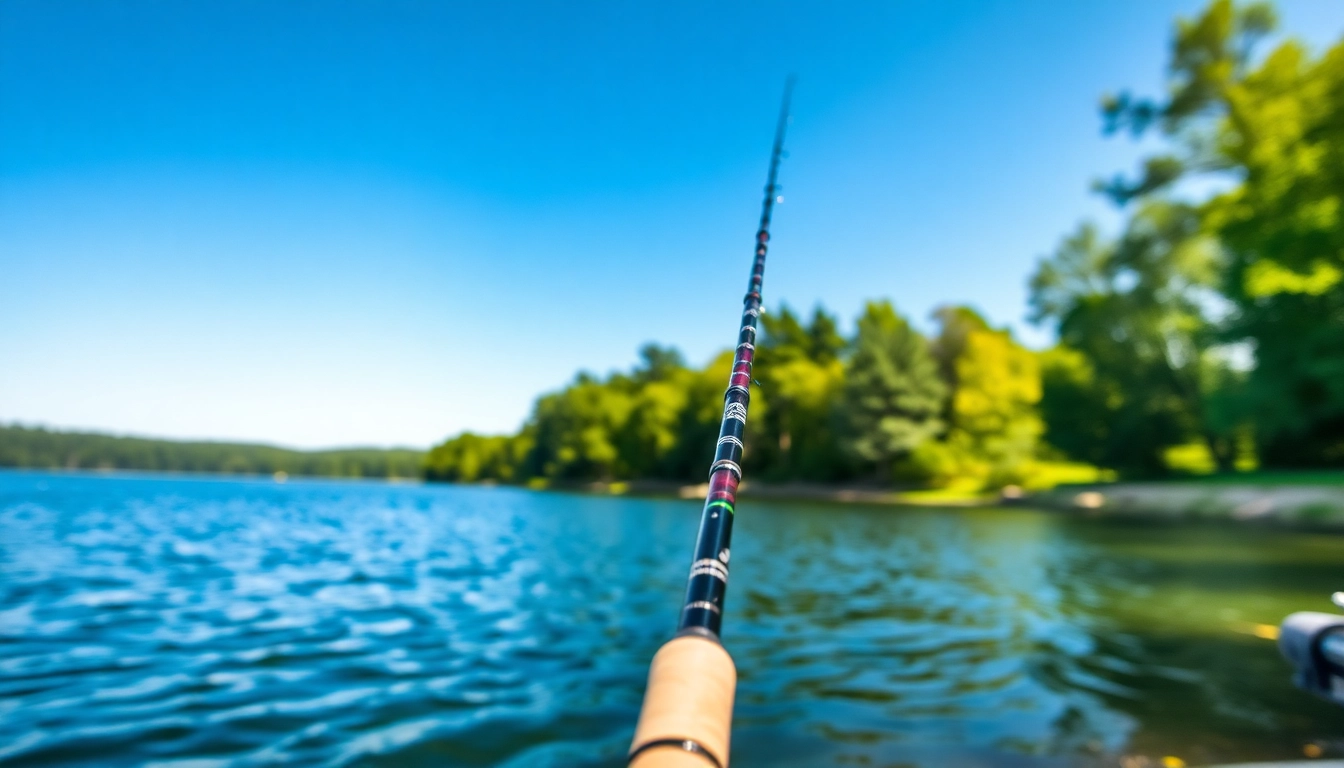
Understanding Fly Fishing Rods
Fly fishing is a captivating sport, often associated with serene environments and the thrill of outsmarting elusive fish. However, the gear you choose can significantly impact your fishing experience and success. Among the essential components, the fly fishing rod plays a pivotal role. Selecting the best fly fishing rods can enhance your casting ability, control, and the overall joy of angling. This article delves into the various aspects of fly fishing rods, helping you understand what to look for, top brands available, how to choose the right rod, and tips for maintaining it.
Basics of Fly Fishing Gear
Before diving into the specifics of fly fishing rods, it’s important to understand the basic components of fly fishing gear. Besides the rod, fly fishing involves reels, lines, leaders, tippets, and flies, all working together to create an effective fishing system. Each part has a unique function. The role of the fly fishing rod, in particular, is to cast the line and fly with precision, allowing anglers to present their bait effectively to the fish.
Types of Fly Fishing Rods
Fly fishing rods come in various styles, each designed for specific fishing techniques and environments. Here are some of the most common types:
- Single-Handed Rods: Ideal for rivers and smaller lakes, these versatile rods are popular among many anglers.
- Double-Handed Rods: Also known as Spey rods, they are designed for casting larger flies over long distances and are perfect for larger bodies of water.
- Travel Rods: These are compact, often telescopic rods that are easy to carry and are ideal for anglers who love to fish on the go.
- Specialized Rods: Some rods are specifically designed for unique fishing situations, such as saltwater fishing or targeting specific species.
Choosing the Right Length and Weight
The length and weight of a fly fishing rod are critical factors that affect your casting distance and accuracy. Generally, lighter rods are better for smaller fish, while heavier rods are designed for larger species. Here's how to evaluate them:
- Length: Rod lengths typically range from 7 to 10 feet. Shorter rods (7-8 feet) provide better control in tighter spaces, while longer rods (9-10 feet) are advantageous for casting distance and line control.
- Weight: The weight is measured on a scale from 1 to 12, with lower numbers suitable for small freshwater fish and higher numbers intended for larger fish, including saltwater species.
Key Features of the Best Fly Fishing Rods
When shopping for the best fly fishing rods, it’s essential to consider several key features that correlate directly with performance and usability.
Material and Construction Quality
The material of a fly rod plays a crucial role in its weight, sensitivity, and durability. The most common materials include:
- Graphite: Known for its lightweight and sensitivity, graphite rods are the top choice for many anglers. They provide excellent responsiveness and are suitable for various fishing conditions.
- Fiberglass: These rods are more durable and provide a slower action, ideal for beginner anglers as they help to absorb shocks and improve casting accuracy.
- Composite: Combining both graphite and fiberglass, composite rods offer a balance of sensitivity and durability.
Action and Flexibility Explained
Rod action refers to how much the rod bends during casting. It can be categorized into:
- Slow Action: These rods bend significantly towards the handle and are forgiving for beginners, allowing for smooth and accurate casts.
- Medium Action: Offering a balance of flexibility and stiffness, medium action rods work well for a variety of fishing situations.
- Fast Action: These rods bend mostly at the tip, providing quicker response times and greater distance for experienced anglers who require precision.
Importance of Reel Compatibility
Ultimately, a rod is just one part of your fly fishing setup. Ensuring your rod is compatible with your reel is fundamental. Pay attention to the rod's weight rating and the reel’s capacity for backing and line. Depending on whether you are using a single or double-handed rod, the reel seat and mounting may differ, affecting balance during casting.
Top Brands for Fly Fishing Rods
Now that you have an understanding of fly fishing rods' features and types, let's explore some of the top brands in the market that consistently deliver high quality.
Leading Manufacturers and Their Offerings
1. Orvis - Renowned for quality craftsmanship, Orvis rods are built to last, providing a variety of options suitable for all skill levels and preferred techniques.
2. Sage - Known for innovative design and technology, Sage rods are considered high-performance tools designed mainly for serious anglers.
3. Redington - Offers affordable yet dependable rods, making them ideal for beginners entering the sport without breaking the bank.
4. Simms - While mainly known for their waders and outerwear, Simms has stepped into the rod market, combining durability and performance.
What Sets Each Brand Apart
Each brand carries its unique selling points that attract different types of anglers. For instance, Sage is known for its high price point, catering to serious enthusiasts willing to invest in top-quality gear. In contrast, Redington offers products that cater to entry-level anglers looking for value without sacrificing performance.
Customer Reviews and Ratings
Real-world experiences and customer feedback play a vital role in determining the best fly fishing rods for your needs. Reviews often highlight the rod's casting style, sensitivity, and overall comfort during use. Websites dedicated to fishing gear often compile user ratings, which can provide additional insights into durability and performance in varying environments.
How to Choose the Best Fly Fishing Rod
Choosing the right fly rod can be daunting due to the myriad of options available. Here’s a guideline to simplify the selection process.
Assessing Your Skill Level
Your experience level should significantly influence your choice. Beginners may prioritize slower action rods for ease of learning, while more experienced anglers might opt for faster action rods to master technique and accuracy. A good practice is to try different rods to see what feels best on your casting stroke.
Environment and Target Fish Considerations
Consider where you plan to fish and what species you're targeting. For instance, if you plan to fish in heavy cover or small streams, a shorter rod may provide better maneuverability. Conversely, if you are fishing in large lakes or saltwater, a longer rod will offer the distance you may desire. Knowing the fish species will help you choose the appropriate rod weight to ensure better performance and fighting capability.
Budgeting for Quality Gear
Quality fly fishing rods can range significantly in price, often correlating with materials and technology used. While it's tempting to go for the cheapest option, investing in a mid-range rod known for durability and performance can enhance your experience and success. Look for sales or second-hand options from reputable sellers if you are on a budget.
Maintenance Tips for Longevity
Cleaning and Storage Best Practices
After each fishing trip, rinse your rod thoroughly with freshwater to remove any debris, salt, or grime. This simple practice prevents corrosion and degradation of materials. Additionally, store your rod in a protective tube or case away from direct sunlight to prevent warping and guide damage.
Repairing Common Issues
Understanding how to fix minor issues can save you time and money. Common problems include guide wraps loosening or breaking and reel seats becoming damaged. For broken tips, many companies offer repair kits or services. Familiarizing yourself with simple repairs can provide peace of mind during fishing outings.
Upgrading Your Fishing Rod Over Time
As you grow in your fishing journey, the rod you began with may not meet your evolving needs. Don’t hesitate to explore newer options. Seasonal sales are excellent opportunities to upgrade your gear without overspending. Consider maintaining your older equipment as backup or for specific conditions where different rod characteristics may be beneficial.