Understanding Structural Steel Installation
What is Structural Steel Installation?
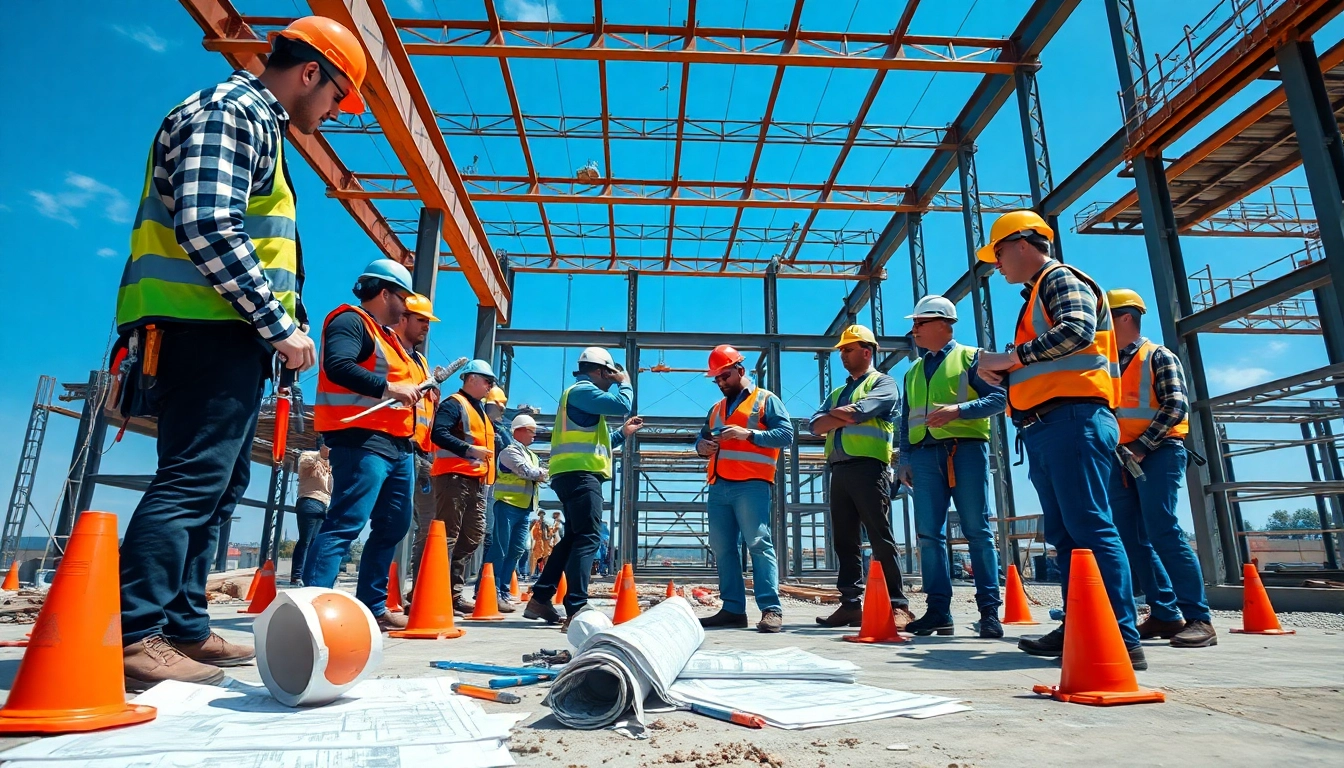
Structural steel installation refers to the process of erecting steel framework for various types of buildings and structures. It involves assembling individual components that are fabricated off-site to create a robust framework that supports a building's overall architecture. Key components include beams, columns, and steel trusses, all designed to handle dynamic loads, such as weight, wind, and seismic forces, ensuring structural integrity and stability.
The process is characterized by careful planning, precise measurements, and coordinated efforts from various professionals, including architects, engineers, and certified steelworkers. Efficient structural steel installation is crucial not only for safety but also for optimizing project timelines and reducing costs.
Benefits of Using Structural Steel
Structural steel offers numerous benefits that make it a preferred choice in construction. Here are some of the key advantages:
- Durability: Structural steel has a longer lifespan than traditional construction materials like wood, which can succumb to pests or decay over time.
- Strength-to-weight Ratio: Steel's high strength and lightweight characteristics allow for taller structures without excessive material use, enabling designs that are both innovative and functional.
- Speed of Construction: Off-site fabrication leads to significant time savings as components are manufactured simultaneously with site preparation, allowing for quicker assembly.
- Flexibility in Design: Steel can be molded into a variety of shapes and sizes, accommodating complex architectural designs and allowing for broad spans without intermediate supports.
- Sustainability: Steel is recyclable, which supports eco-friendly practices in construction. Moreover, the energy consumed in steel manufacturing can be offset by its longevity and adaptability in use.
Common Challenges in Installation
Despite its advantages, structural steel installation comes with challenges that professionals must address to ensure success:
- Safety Concerns: Working at heights poses risks, making safety protocols essential to prevent accidents.
- Material Handling: Heavy components require specialized equipment for safe transportation and installation.
- Weather Impact: Adverse weather conditions can disrupt scheduling and lead to complications during installation.
- Coordination Among Teams: Effective communication between engineers, project managers, and installation crews is paramount in ensuring that timelines and quality standards are met.
Preparation for Steel Installation
Site Assessment and Planning
Before installation can commence, a thorough site assessment is critical. This includes evaluating the soil quality, land characteristics, and local environmental conditions that could impact construction. Understanding the site allows project managers to develop detailed plans that account for potential challenges.
Planning should also involve scheduling to determine the optimal timeline for erecting the steel framework. Coordination between various stakeholders is necessary to align construction phases and ensure that all necessary permits and regulations are addressed.
Material Selection and Procurement
Choosing the right materials is crucial in ensuring the success of a structural steel installation project. Properties such as yield strength, ductility, and resistance to corrosion must be evaluated when selecting steel. In addition, sourcing materials from reputable suppliers is vital to maintaining quality and compliance with building codes.
Procurement involves negotiating with vendors to secure materials at favorable prices while ensuring timely delivery to the construction site. Establishing reliable supply chains is essential for keeping projects on schedule.
Safety Protocols and Regulations
Construction sites are governed by a variety of safety protocols and regulations that aim to protect workers and ensure compliance with local laws. These regulations often dictate the safety equipment workers must use, the construction techniques allowed, and training requirements for personnel.
Implementing a comprehensive safety program includes regular training sessions, maintaining updated safety equipment, and conducting health hazard assessments to mitigate risks.
Techniques for Structural Steel Installation
Tools and Equipment Required
The installation of structural steel demands specific tools and equipment to ensure safety and efficiency. Essential tools include:
- Cranes: Essential for lifting heavy steel components into place.
- Welding Machines: Necessary for joining steel pieces during installation.
- Scaffolding: Provides safe access to elevated areas, ensuring the safety of workers.
- Personal Protective Equipment (PPE): Includes helmets, gloves, and harnesses, vital for worker safety.
Best Practices for Installation
To optimize the installation process, certain best practices should be followed:
- Pre-Installation Meetings: Holding meetings prior to installation encourages communication and addresses potential concerns beforehand.
- Documentation: Keeping meticulous records of all processes, materials used, and safety checks promotes accountability and quality assurance.
- Follow Established Procedures: Adhering to industry standards and company protocols minimizes the risk of errors and ensures compliance.
Implementing Advanced Technology
The use of advanced technology in structural steel installation has dramatically streamlined the process. Key innovations include:
- Building Information Modeling (BIM): This allows for detailed visualization of the steel structure before construction begins, making it easier to identify potential issues.
- Augmented Reality (AR): AR can assist workers in visualizing assembly instructions and ensuring proper alignment.
- Drones: Drones are increasingly used for site surveys and monitoring progress from a birds-eye view, enhancing project management efficiency.
Quality Control in Steel Installation
Inspection Processes and Standards
Quality control is a critical aspect of structural steel installation to ensure safety and compliance. Regular inspections are conducted during and after installation to assess the integrity of the work. Standards set by organizations such as the American Institute of Steel Construction (AISC) provide guidelines for acceptable practices and quality benchmarks.
Inspection processes typically involve checking welds, connections, and alignment against design specifications. Ensuring compliance with these standards ultimately contributes to the longevity and safety of the structure.
Documentation of Work Completed
Maintaining thorough documentation throughout the installation process is essential. This includes capturing photos, project updates, inspection reports, and checklists. Such records not only provide proof of compliance with safety and quality standards but also assist in future maintenance or retrofitting efforts.
Well-organized documentation allows for easy access to information which can be beneficial in resolving disputes or addressing any deficiencies that might arise later.
Addressing Deficiencies and Retrofitting
Should deficiencies be discovered during inspection, it is crucial to address them immediately. Common deficiencies can arise from improper welding, misalignments, or material defects. Developing a systematic approach to rectify these issues is critical to avoid delaying the project timeline or incurring additional costs.
Retrofitting may be necessary in some cases, which involves upgrading existing structures to meet current safety standards or improve performance. Understanding when and how to implement retrofitting strategies is crucial for maintaining structural integrity over time.
Future of Structural Steel Installation
Emerging Trends in the Industry
The structural steel industry is continuously evolving. Emerging trends include the use of modular construction, where structures are prefabricated off-site and assembled on location. This method minimizes waste and reduces the installation time significantly.
Another trend is the increasing focus on integrating green building practices, as the industry seeks to lower its carbon footprint while still delivering effective and durable structures.
Sustainability in Steel Construction
With growing environmental concerns, the demand for sustainable building materials has accelerated. Structural steel can play a vital role in sustainable construction because it is highly recyclable. New techniques in steel production also focus on reducing emissions and energy consumption during manufacturing.
Implementing sustainable practices in structural steel installation not only meets regulatory requirements but can also enhance project appeal in a market that increasingly values eco-friendly solutions.
Innovative Practices and Materials
The future of structural steel installation will likely include innovations in materials, such as smart steel, which incorporates sensors to monitor stress and structural health. Additionally, advances in welding techniques and coatings that enhance corrosion resistance will improve the lifespan and durability of steel structures.
The adoption of these innovative practices will lead to more resilient infrastructures capable of withstanding the demands of modern urban developments and the challenges posed by climate change.