Understanding the Importance of Crawl Space Restoration
Crawl spaces, often overlooked, play a pivotal role in the overall health and safety of a home. They serve as the foundation where essential utilities are stored, and proper maintenance of this area can prevent a cascade of potential issues. Engaging in Crawl Space Restoration is crucial for homeowners aiming to enhance their living environment. Understanding the significance of these spaces can encourage homeowners to act early and decisively when problems arise.
Why Crawl Space Restoration Matters for Homeowners
Crawl space restoration isn't just a matter of aesthetics; it directly impacts health, safety, and energy efficiency. Properly maintaining a crawl space ensures that the home remains free from mold, pests, and structural problems. This space can affect air quality throughout the home since contaminated air can seep into living areas, resulting in respiratory issues and allergic reactions. Additionally, a well-maintained crawl space improves energy efficiency, reducing heating and cooling costs over time.
Risks of Neglected Crawl Spaces
Ignoring the state of a crawl space can lead to significant risks, including:
- Mold Growth: Excess moisture leads to mold, which can spread rapidly and pose health risks.
- Pest Infestations: Damp, dark spaces attract pests like termites, rodents, and other vermin.
- Structural Damage: Moisture can weaken the foundation, causing damage that is expensive to repair.
Signs Your Crawl Space Needs Restoration
Knowing the signs that indicate a crawl space needs restoration can save homeowners from further complications. Look for:
- Visible mold or musty odors
- Condensation or moisture on walls and floors
- Cracks in the foundation or visible sagging floors
- Pest droppings or gnaw marks, indicating infestations
Common Methods for Crawl Space Restoration
When it comes to restoring a crawl space, several tried-and-true methods can be implemented. Depending on the specific issues observed, restoration may involve a combination of the following techniques.
Moisture Control Techniques
Controlling moisture is key to successful crawl space restoration. Methods include:
- French Drains: These drainage systems channel water away from the foundation.
- Sump Pumps: Ideal for removing accumulated water before it causes damage.
- Vapor Barriers: Installing plastic sheeting prevents moisture from the soil entering the crawl space.
Insulation and Ventilation Solutions
Insulation and proper ventilation are crucial in keeping the crawl space dry and energy-efficient. Effective methods include:
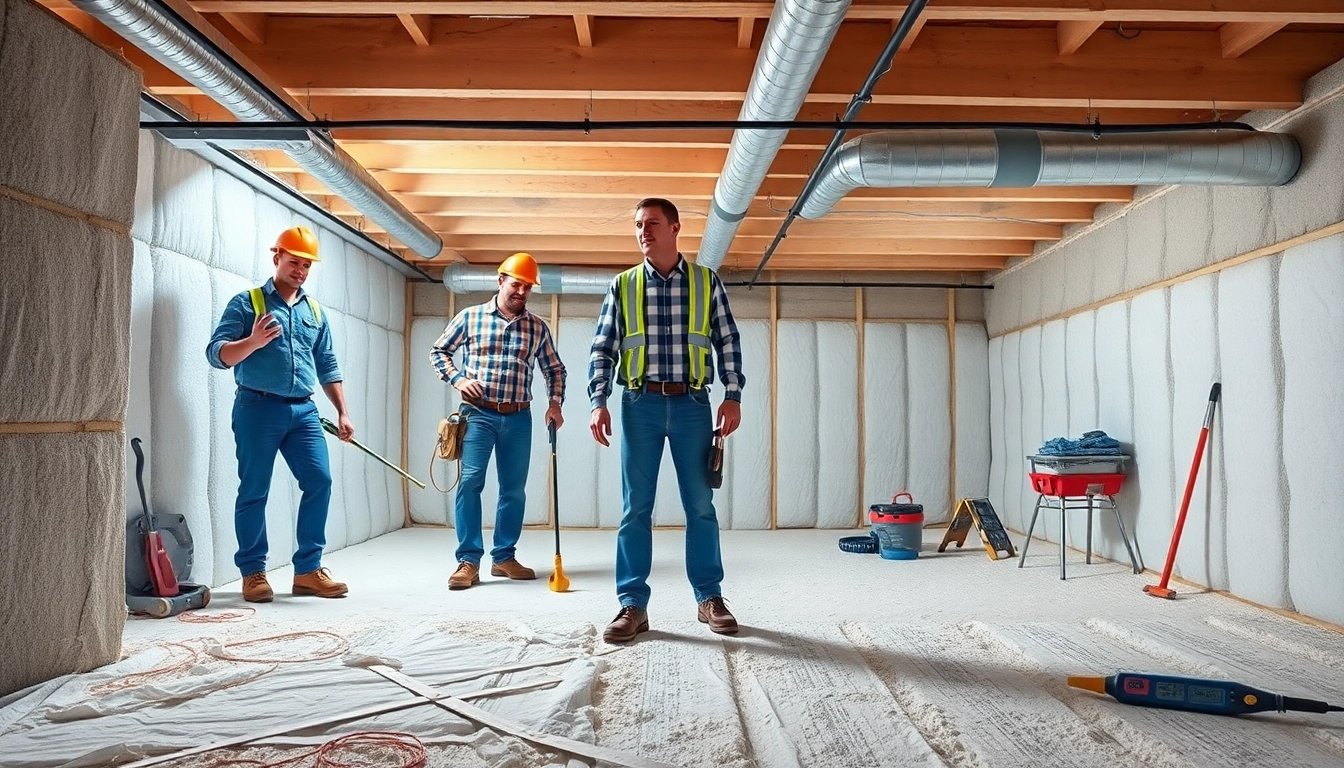
- Insulating Walls: Using fiberglass or foam board insulation can help maintain proper temperatures.
- Ventilation Fans: These can help reduce humidity by circulating air within the crawl space.
- Encapsulation: This involves sealing the space thoroughly to maintain a controlled environment.
Structural Repairs and Reinforcements
Sometimes, structural issues arise that require immediate attention. Common repairs include:
- Pier Installation: Provides additional support to weaken areas of the foundation.
- Beam Replacement: Damaged wooden beams can be replaced to restore structural integrity.
- Foundation Cracks Repair: Epoxy or polymer injections can seal cracks that allow moisture ingress.
Steps to Initiate Crawl Space Restoration
Initiating the crawl space restoration process involves a clear and systematic approach.
Initial Inspection and Assessment
The first step in restoration is a thorough inspection to assess the extent of the damage. Homeowners should look for:
- Signs of water intrusion
- Mold growth or odor
- Pest activity and droppings
- Structural damage or instability
Professional inspectors can provide a comprehensive report on necessary repairs.
Planning the Restoration Process
Based on the inspection results, planning the restoration process is crucial. This includes:
- Creating a timeline for repairs
- Prioritizing issues based on severity
- Budgeting for necessary repairs and any potential complications
Choosing the Right Restoration Professionals
Selecting qualified professionals to carry out the restoration is critical. Look for:
- Experience in crawl space restoration
- Positive client reviews and testimonials
- Licensing and insurance coverage
Get multiple quotes to ensure a fair price for the work needed.
Maintaining Your Restored Crawl Space
Once restoration is complete, regular maintenance is essential to keep your crawl space in optimal condition.
Regular Inspections and Maintenance Tips
Homeowners should perform routine inspections to catch potential issues early. Maintenance tips include:
- Checking for signs of moisture or mold
- Inspecting insulation and repairs periodically
- Cleaning out debris or leaves that might block ventilation
Consider planning for seasonal inspections to ensure everything remains intact.
Preventive Measures Against Moisture
Preventing moisture infiltration is crucial for crawl space longevity. Implement these measures:
- Install gutters and downspouts to divert rainwater away from the foundation.
- Regularly check the grading of your yard to ensure water flows away from the home.
- Consider using dehumidifiers, especially in humid climates.
Tools and Systems for Ongoing Monitoring
Investing in monitoring tools can help detect issues before they become significant problems. Options include:
- Moisture meters to check humidity levels
- Smart crawl space sensors that alert homeowners of unwanted changes
- Temperature monitors to ensure the environment remains stable
Cost Factors in Crawl Space Restoration
Understanding the financial aspects of crawl space restoration can help homeowners plan effectively.
Average Costs and Budgeting Tips
The cost of crawl space restoration can vary widely based on several factors, including:
- Extent of damage and necessary repairs
- Location of the home and local market rates for services
- Methods used (moisture control, insulation, etc.)
Budgeting for these repairs early can mitigate financial strain; consider setting aside an emergency fund for unexpected issues.
Financing Options for Homeowners
For many homeowners, financing is essential to cover restoration costs. Explore options such as:
- Home equity loans or lines of credit
- Personal loans from banks or credit unions
- Government grants or programs for home safety improvements
Long-term Value of Crawl Space Restoration
Investing in crawl space restoration offers long-term value by preserving structural integrity. Benefits include:
- Enhanced home resale value by addressing potential issues proactively
- Increased energy efficiency leading to lower utility bills over time
- Peace of mind knowing your home is safe and healthy
FAQs About Crawl Space Restoration
What is Crawl Space Restoration?
Crawl space restoration is the process of correcting and repairing issues within a home's crawl space, such as moisture, mold, pests, and structural damage, to ensure a healthy living environment.
How often should I inspect my crawl space?
It's recommended to inspect your crawl space at least once a year, or more frequently if you notice moisture issues or flooding, to prevent long-term damage.
Can I restore my crawl space myself?
While minor maintenance can be done by homeowners, significant restoration efforts are best handled by professionals to ensure safety and effectiveness.
What are the signs of moisture damage?
Signs of moisture damage in a crawl space include visible mold, musty odors, condensation, and water pooling on the floor.
Will crawl space restoration improve indoor air quality?
Yes, addressing crawl space issues can significantly improve indoor air quality by preventing mold and moisture that can contribute to health problems.