
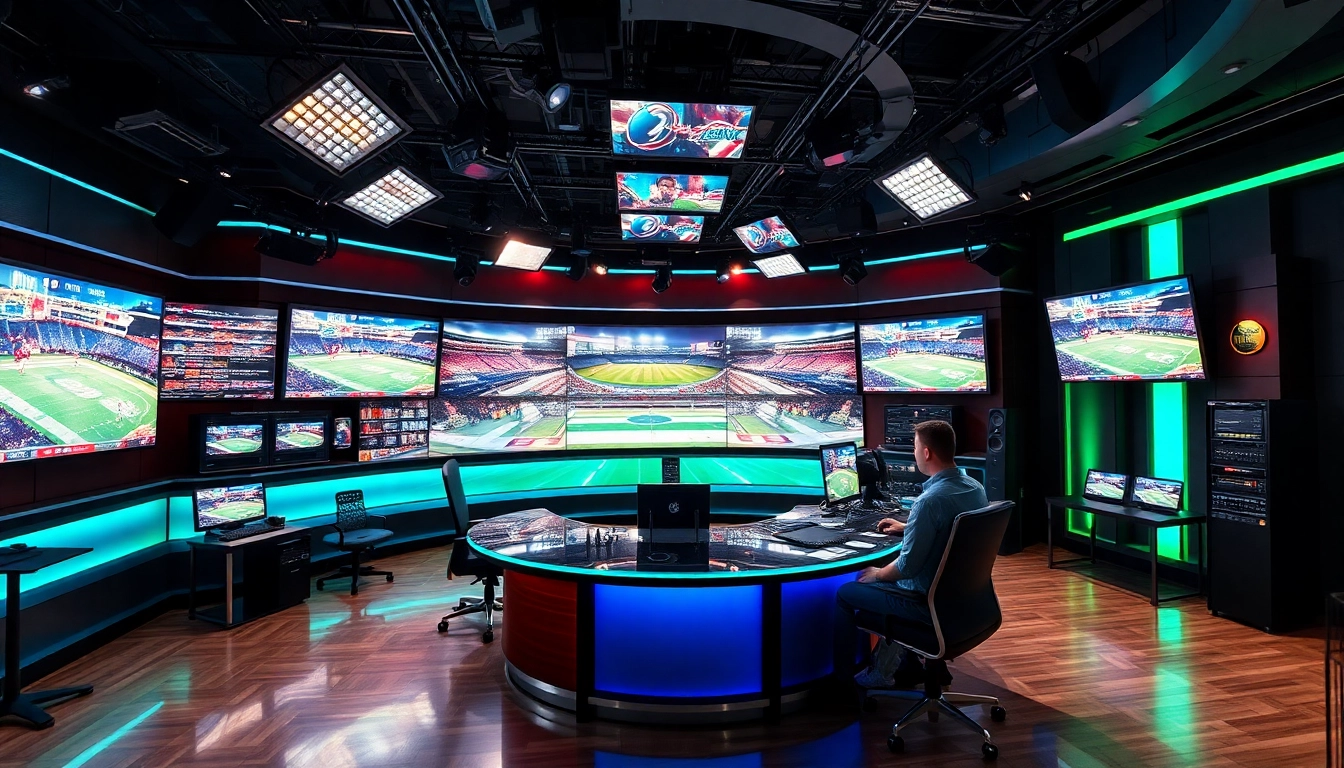
Understanding the Basics of Sports Broadcasting
Sports broadcasting has evolved into a dynamic and essential aspect of sports culture, providing fans with access to live events, highlights, and insightful commentary. As a focal point in the entertainment industry, Sports Broadcasting encompasses various media platforms, including television, radio, and online streaming services. Through these channels, broadcasters inform, entertain, and engage audiences around the globe.
History of Sports Broadcasting
The origins of sports broadcasting can be traced back to the early 20th century, when radio was the first medium to bring live sporting events into homes. The practice gained popularity in the 1920s as stations began broadcasting major sporting events such as baseball games and the Olympics. By the 1950s, television had emerged as a dominant platform, allowing viewers to experience the thrill of sports events in real time.
The impact of sports broadcasting became particularly evident in the 1980s as cable television expanded the number of channels available, leading to the rise of dedicated sports networks. This shift allowed for a more extensive coverage of various sports, significantly increasing the reach and popularity of different leagues and competitions. With the advent of digital technology in the 21st century, streaming services further transformed how sports are consumed, paving the way for mobile broadcasting and on-demand content.
Key Roles in Sports Broadcasting
There are various key roles involved in the sports broadcasting industry that contribute to the viewer experience:
- Sportscasters: These are the voices behind the broadcasts, delivering live commentary and analysis during games. Sportscasters must possess a deep understanding of the sport and have excellent communication skills.
- Producers: Producers oversee the entire broadcasting process, from the initial planning stages to the final transmission. They coordinate between various teams, including camera operators and audio technicians, to ensure a seamless broadcast.
- Camera Operators: They work behind the scenes to capture the action from different angles, presenting viewers with engaging visuals that enhance the viewing experience.
- Editors: Editors are responsible for post-production tasks, ensuring that highlights and recaps provide a comprehensive, entertaining look back at key moments.
- Technical Staff: These professionals manage all the technical equipment, ensuring that audio and video quality is maintained throughout the broadcast.
Types of Sports Broadcasting
Sports broadcasting can be categorized into several types, each with its own advantages:
- Live Broadcasting: This involves broadcasting events as they happen, providing real-time updates and commentary. It is the most traditional form of sports broadcasting.
- Highlights Shows: These programs recap the best moments from recent events, offering viewers a condensed experience of exciting plays and outcomes.
- Analysis and Commentary: These broadcasts include expert insights, discussions, and breakdowns of the games, often enhancing viewer understanding and enjoyment.
- Webcasts and Streaming: With the rise of online platforms, many sports organizations now offer live streaming options, allowing fans to watch events on-demand.
Essential Equipment for Effective Sports Broadcasting
The backbone of any successful sports broadcast is its equipment. Utilizing the right technology is essential to delivering high-quality content that captivates audiences.
Cameras and Live Streaming Tech
High-definition cameras are essential for capturing live sports. These cameras offer enhanced clarity and detail, which is crucial for viewers who want to see every moment unfold. From traditional camera setups to advanced drone technology, broadcasters now have access to tools that provide stunning visuals from multiple angles.
Live streaming technology has become a cornerstone of modern broadcasting. Innovative software and hardware solutions allow for seamless streaming across various platforms, enabling fans to engage with their favorite sports anytime, anywhere. Moreover, enhancements like 360-degree cameras and multi-camera setups provide immersive experiences that draw viewers into the action.
Audio Gear and Quality Control
Audio quality is just as important as visual quality in sports broadcasting. Professional-grade microphones are crucial for capturing the ambient sound of the event, as well as clear commentary from sportscasters. Wireless systems are particularly useful in dynamic environments, allowing commentators to move freely while maintaining sound quality.
Audio mixing and quality control systems help producers maintain a consistent sound level throughout the broadcast, ensuring that viewers can enjoy an engaging audio experience. Additionally, sound check processes and post-production audio adjustments can enhance the overall broadcast quality.
Editing and Post-production Tools
Post-production plays a critical role in sports broadcasting. Editing software allows for the creation of engaging highlights packages and recap segments that entice audiences. Programs like Adobe Premiere Pro and Final Cut Pro are commonly used for their robust features and capabilities to handle large volumes of footage.
Creative editing techniques, such as slow-motion replays and dynamic transitions, not only enhance storytelling but also keep the audience engaged by emphasizing pivotal moments in the broadcast. Accurate timing and pacing of edits can make a significant difference in how captivating the final product is for viewers.
Best Practices in Sports Broadcasting
To achieve success in sports broadcasting, it’s essential to adhere to some best practices that enhance viewer experience and engagement.
Creating Engaging Content
Engaging content is at the heart of effective sports broadcasting. This begins with thorough preparation. Broadcasters should research teams, players, and recent performance trends to provide insightful commentary that resonates with viewers. Incorporating player interviews, behind-the-scenes access, and fan interactions can also enrich the viewing experience.
Interactive elements, such as live polls or viewer questions, can further enhance engagement, allowing audiences to feel more involved in the broadcast. Creative presentation styles can similarly differentiate a broadcast and keep viewers returning for more.
Building Relationships with Audiences
Establishing a connection with the audience is crucial for sports broadcasters. Engaging with fans on social media platforms can humanize broadcasters and create loyal viewer bases. Responding to comments, conducting Q&A sessions, and sharing insider stories can nurture community and loyalty among fans.
Utilizing analytics and feedback to understand viewer preferences enables broadcasters to tailor content to their audience’s interests. Surveys and polls can also gather valuable information that shapes future broadcasts and keeps content fresh and appealing.
Memorable Storytelling Techniques
Storytelling is an art form in sports broadcasting that draws viewers emotionally into the narrative. Utilizing techniques like thematic story arcs, pacing, and character development can make even routine matchups feel dramatic and impactful.
Highlight the unique backstories of athletes and teams, as well as intriguing statistics and records, to create compelling narratives. Effective transitions between segments, such as utilizing cliffhangers or teasers for upcoming broadcasts, can also make your content memorable and enticing.
Trends Shaping the Future of Sports Broadcasting
The landscape of sports broadcasting is continuously changing, influenced by technological advancements and viewer expectations. Being aware of these trends is essential for industry professionals.
Influence of Social Media
Social media has become a critical component of sports broadcasting, allowing for real-time engagement with fans during events. Platforms like Twitter, Facebook, and Instagram facilitate conversations, highlights, and live updates, broadening the reach of sporting events.
Many broadcasters now integrate social media feeds directly into their broadcasts, providing fans with an immersive experience. Encouraging user-generated content, such as fans sharing their reactions or creating highlight reels, can further enhance audience participation.
Virtual and Augmented Reality in Broadcasting
Virtual and augmented reality technologies are beginning to influence sports broadcasting, creating immersive experiences that transport viewers into the heart of the action. For instance, augmented reality can overlay graphics and statistics onto the screen during gameplay, enriching the understanding and enjoyment of the event.
Virtual reality experiences allow fans to witness events from unique perspectives, making them feel like part of the action. Integrating these technologies into broadcasts can cater to tech-savvy audiences searching for innovative and engaging experiences.
The Rise of Streaming Services
The growth of streaming platforms has disrupted traditional sports broadcasting models. Today, sports fans have access to a myriad of streaming services that offer live games without the need for cable subscriptions.
This shift has encouraged broadcasters to innovate, providing flexible viewing options and unique content that appeals to modern audiences. As more fans turn to digital platforms, streaming services are increasingly becoming the preferred choice for consuming sporting events.
Measuring Success in Sports Broadcasting
To gauge effectiveness in sports broadcasting, key performance indicators (KPIs) play a crucial role. Tracking these metrics can provide insight into what works and what needs improvement.
Key Performance Indicators (KPIs)
KPIs such as viewership numbers, audience demographics, and advertising revenue are fundamental in determining a broadcast’s success. By analyzing these statistics, broadcasters can evaluate their performance and adjust strategies accordingly.
Additionally, more granular metrics like bounce rates, social media engagement, and feedback from viewers can yield insights into content effectiveness, audience satisfaction, and areas for growth.
Audience Engagement Metrics
Audience engagement metrics are critical for understanding how viewers interact with content. Metrics such as likes, shares, comments, and live interaction rates can provide valuable insights into how well broadcasts resonate with audiences.
Conducting viewer feedback surveys can also help assess satisfaction levels and identify potential areas for improvement. Understanding audience preferences and behaviors allows broadcasters to create more engaging and appealing content.
Ad Revenue and Sponsorship Opportunities
Revenue from advertisements and sponsorships is a significant aspect of sports broadcasting economics. Tracking ad performance and revenue generated per broadcast can provide a clear picture of financial effectiveness.
Furthermore, establishing strong partnerships with sponsors and communicating clear value propositions can lead to direct revenue growth. As engagement rates rise, the potential for sponsorship opportunities also expands, positively impacting overall profitability.
Frequently Asked Questions (FAQs)
What equipment is needed for sports broadcasting?
The essential equipment includes high-definition cameras, professional microphones, audio mixing devices, and video editing software. Investing in reliable technology ensures a quality viewing experience.
How is success measured in sports broadcasting?
Success is measured using key performance indicators such as viewership numbers, audience engagement metrics, and ad revenue. Analyzing these metrics helps broadcasters improve their content.
Why is audience engagement important in sports broadcasting?
Audience engagement enhances viewer loyalty, boosts ratings, and increases revenue from sponsorships and ads. It indicates how well the content resonates with the audience.
What trends are influencing sports broadcasting today?
Trends like social media integration, streaming services expansion, and the use of virtual and augmented reality are shaping how sports are broadcasted and consumed today.
How does storytelling impact sports broadcasting?
Effective storytelling engages viewers emotionally, elevates the narrative, and keeps them invested in the events. It transforms ordinary broadcasts into memorable experiences.