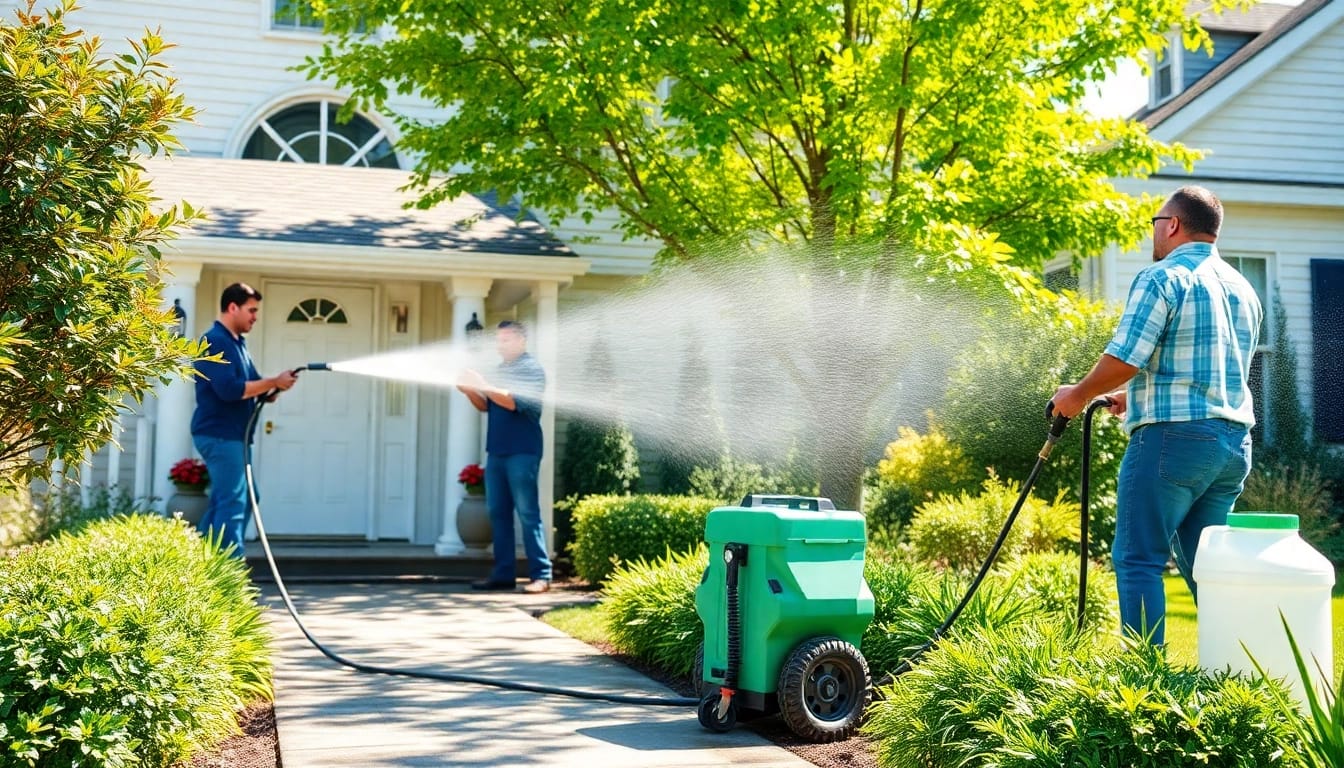
Understanding Soft Wash: The Science Behind the Technique
When it comes to maintaining the exterior of your home or business, understanding the various cleaning techniques available can greatly impact the longevity and appearance of your property. One such method that has gained traction in recent years is soft wash. This technique utilizes a low-pressure approach combined with specific cleaning solutions to effectively remove dirt and grime without the risk of damaging your surfaces. In this article, we delve into the science behind soft washing, its distinct advantages over traditional pressure washing, and essential practices to ensure optimal results.
What is Soft Washing?
Soft washing is a cleaning technique specifically designed for delicate surfaces. Unlike conventional pressure washing, which may rely on high-pressure water jets to blast away dirt, soft washing uses low-pressure water combined with biodegradable cleaning agents. These solutions are effective in breaking down organic materials such as algae, mold, and mildew, which are common culprits of unsightly stains on roofs and siding. The gentle application ensures that sensitive surfaces, like painted siding or shingles, remain undamaged while still achieving a thorough clean.
How Soft Wash Differs from Traditional Pressure Washing
The primary distinction between soft washing and traditional pressure washing lies in the pressure used and the cleaning agents applied. Traditional pressure washing employs high-pressure water streams, which can easily remove dirt but also risks damaging fragile surfaces such as wood, shingles, and window seals. In contrast, soft washing uses a maximum pressure of around 1000 psi, which is often equivalent to a typical garden hose. This significantly reduces the risk of structural damage while still effectively targeting stubborn stains. Moreover, the use of eco-friendly cleaning agents in soft washing enhances its efficacy, ensuring that the cleaning process is not only powerful but also safe for the environment.
The Benefits of Soft Washing for Home Exteriors
Opting for soft washing over traditional methods offers numerous benefits, particularly for residential properties. Here are some of the most significant advantages:
- Surface Safety: Protects delicate materials, reducing the risk of chipping or cracking.
- Eco-Friendly: Utilizes biodegradable cleaning agents, making it a sustainable cleaning option.
- Longer Lasting Results: By effectively eliminating the root causes of staining like mold and mildew, soft washing leads to results that last longer, reducing the frequency of necessary cleanings.
- Improved Curb Appeal: A thorough soft wash can significantly enhance the look of your property, making it more inviting and increasing its value.
Essential Equipment and Supplies for Successful Soft Washing
To achieve the best results with soft washing, having the right tools and supplies is crucial. Here’s what you need to get started:
Must-Have Tools for Soft Washing
Investing in quality equipment can make a big difference in the effectiveness of your soft washing efforts. Key tools include:
- Soft Wash System: A dedicated soft wash system typically includes a low-pressure pump and specialized nozzles.
- Chemical Injector: This tool allows you to mix cleaning agents with water efficiently, ensuring an even application.
- Protective Gear: Ensure safety by wearing gloves, goggles, and masks to protect yourself from chemicals.
- Extension Wands: These help reach high areas such as roofs and second-story siding without the need for ladders.
Choosing the Right Biodegradable Cleaning Agents
Selecting the right cleaning solution is crucial for effective soft washing. Look for biodegradable detergents that specifically target mold, algae, and mildew. Many products are designed to work effectively while being safe for plants, pets, and humans. Always read labels and select a product that aligns with your specifications and environmental values.
Safety Gear: Protecting Yourself During the Process
Safety should never be overlooked. Always wear appropriate gear such as gloves, goggles, and face masks to shield yourself from potential splashes of cleaning agents. Additionally, ensure your workspace is clear of obstacles and that you are familiar with your equipment to prevent accidents.
Step-by-Step Guide to Soft Washing Your Home
Executing a successful soft wash involves careful preparation and technique. Follow this step-by-step guide to achieve optimal results:
Preparing Your Property for Cleaning
Before initiating the soft washing process, it is vital to prepare your property. Clear any outdoor furniture, pet toys, and plants from the area you will be cleaning. This prevents damage and facilitates a more efficient cleaning process. If your home has exterior lights or delicate decorations, consider removing or covering them as a precaution.
Techniques for Soft Washing Siding and Roofs
Begin by applying the cleaning solution to the surfaces you wish to clean. For siding, work from the bottom up to prevent streaking. Let the solution sit for a few minutes to penetrate the stains before rinsing with low-pressure water. For roofs, apply the solution using an extension wand, ensuring complete coverage. Allow it to sit for the recommended time specified by the cleaning agent manufacturer, and then rinse thoroughly.
Post-Washing Maintenance Tips for Lasting Results
After your soft wash, some maintenance will help prolong the results. Regular inspections of your siding and roof can help catch issues before they turn into extensive problems. Additionally, keeping gutters clean and ensuring proper drainage can prevent mold and algae from returning.
Common Misconceptions About Soft Washing
As with many specialized services, soft washing comes surrounded by myths and misconceptions. Here, we address some common misunderstandings.
Is Soft Washing Safe for All Surfaces?
One common misconception is that soft washing is universally safe. While it is safe for most surfaces, it isn’t recommended for all. Brightly-painted surfaces may still need a cautious approach. Always consult with professionals if you're uncertain about specific materials on your property.
Addressing Myths: Soft Wash vs. Hard Wash
Hard washing can effectively remove tough stains, but it comes with risks of damage that soft washing avoids. Many believe that hard washing is more effective; however, soft washing not only cleans but also treats issues at the source, leading to longer-lasting cleanliness.
When to Avoid Soft Washing Techniques
In certain cases, it may be wise to opt out of soft washing, such as when dealing with extreme buildup on surfaces that require more aggressive cleaning methods. Additionally, when dealing with certain rare materials like antique wood or fragile stone, professional advice is critical.
Trends and Future of Soft Washing in the Cleaning Industry
The soft washing industry is evolving, with trends indicating a significant shift towards more sustainable practices and innovative technologies.
Emerging Technologies Enhancing Soft Washing
Advancements in soft washing equipment, including battery-operated systems, are revolutionizing the market. New machines allow for more precise application of cleaning solutions, making the process more efficient while conserving water and reducing environmental impact.
Eco-Friendly Practices and Their Importance in 2025
As consumers become more conscious of their environmental footprint, demand for eco-friendly cleaning solutions will continue to rise. Companies that prioritize biodegradable products and sustainable practices will thrive while contributing positively to the environment.
Market Growth: The Increasing Demand for Soft Washing Services
The market for soft washing services is projected to grow as more homeowners recognize its benefits. Increased awareness through social media and word-of-mouth referrals will likely lead to an uptick in demand, making it essential for service providers to adapt and innovate continually.