Understanding Commercial Videography
What Is Commercial Videography?
Commercial videography is the practice of creating videos designed specifically for commercial purposes. This encompasses a wide range of products, services, and brands, and it's primarily aimed at promoting and marketing these entities to potential customers. The art of commercial videography blends creativity with strategic planning to achieve business goals. It involves crafting visual narratives that effectively engage audiences, showcase products, and convey brand messages in a compelling manner.
The offerings in commercial videography can be as diverse as brand advertisements, corporate videos, promotional content, instructional videos, and social media clips. Each of these formats serves a different purpose but generally revolves around driving awareness, generating leads, and ultimately converting viewers into customers. A significant element of this type of videography is its focus on storytelling, which helps create an emotional connection with the audience.
The Importance of Commercial Videography for Brands
In today’s digital landscape, the importance of commercial videography cannot be overstated. With consumers' attention spans dwindling and the sheer volume of content available, brands must find innovative ways to capture and hold the attention of their target audiences. Videos enable brands to convey their messages quickly and effectively, providing a rich medium for storytelling that written content often cannot achieve alone.
Video content is also favored by search engines, improving a brand's visibility in search results. Studies indicate that websites with video content are more likely to rank higher and get more engagement from users. Therefore, investing in high-quality commercial videography can yield substantial returns in brand recognition and customer engagement.
Common Misconceptions About Commercial Videography
Despite its growing importance, several misconceptions about commercial videography persist. One common myth is that commercial videos are only for large companies with substantial budgets. While it's true that high-profile brands typically engage in large-scale video productions, small businesses can also leverage commercial videography through more accessible online platforms and social media. With the proliferation of affordable camera equipment and editing software, starting out in commercial videography has become increasingly viable for businesses of all sizes.
Another misconception is that any video can serve commercial purposes. While all videos may promote a business, effective commercial videography requires a strategic approach to content creation, which includes understanding the target audience, crafting a specific message, and optimizing video quality to produce the desired impact.
Key Techniques in Commercial Videography
Crafting a Compelling Narrative
At the heart of successful commercial videography lies the ability to craft a compelling narrative. A well-told story can captivate your audience and effectively convey your brand's message. The narrative should align with the brand's values, goals, and target audience preferences. For example, a brand targeting young millennials may associate its narrative with fun, spontaneity, and energy, while a luxury brand might focus on sophistication and exclusivity.
To create a captivating narrative, start by identifying the story's central message and consider the emotional response you want to elicit from the viewer. Utilize storytelling techniques such as character development, conflict, and resolution to keep viewers engaged. Supplement your narrative with high-quality visuals and sound to enhance the viewer experience.
Choosing the Right Equipment for Quality Footage
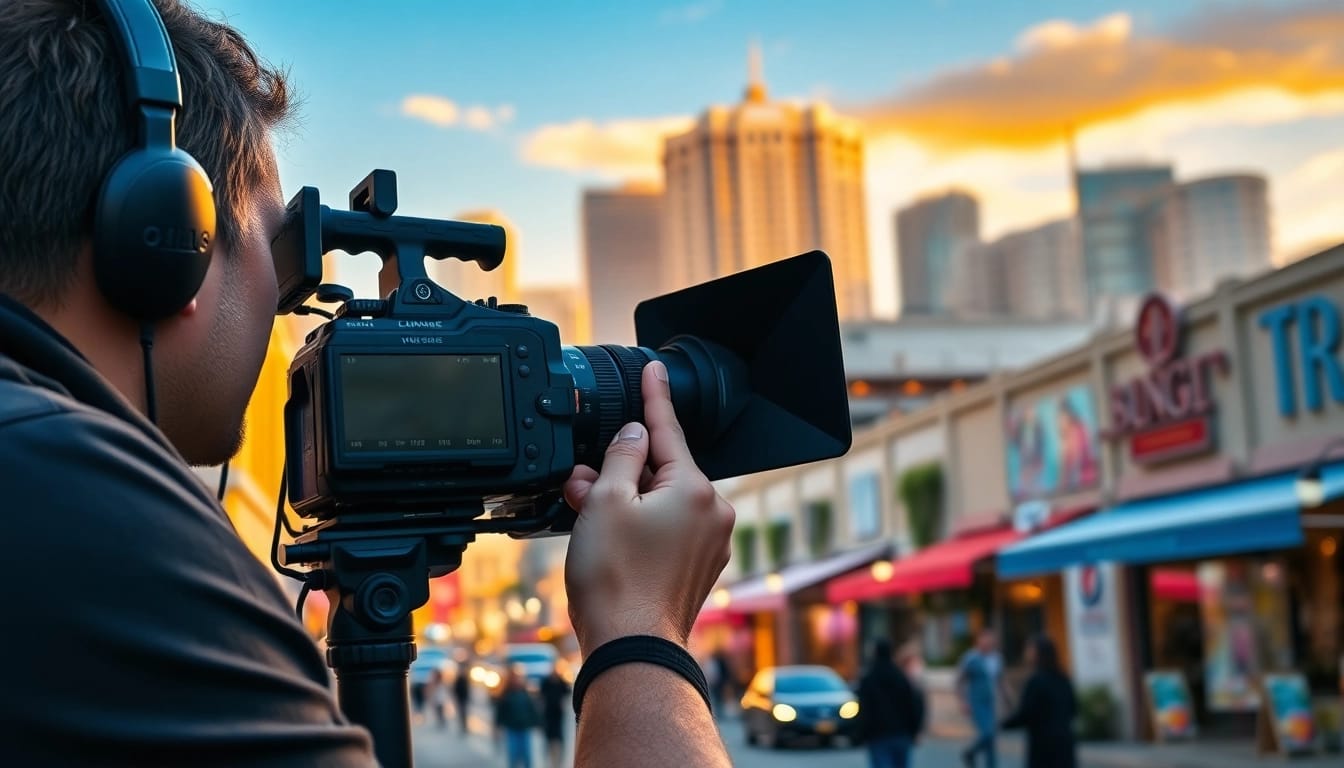
The choice of equipment is instrumental in determining the quality of the final product. Factors such as camera type, lenses, lighting, and audio equipment play a critical role in achieving professional videography results. For instance, using a DSLR or mirrorless camera with a variety of lenses can provide flexibility in shooting different types of scenes, while good lighting equipment ensures that your indicators for quality and clarity are met, enhancing the visual appeal.
Additionally, integrating stabilizers or gimbals will help achieve smooth, cinematic shots that significantly elevate the production quality. It’s also important to invest in quality microphones, as audio quality can make or break a video. Poor sound can distract from even the most visually appealing footage, thus, providing clear, professional-grade audio should always be a priority.
Effective Editing Strategies for Engagement
Editing is where the magic happens—transforming raw footage into a coherent and engaging narrative. Effective editing involves more than just cutting unnecessary parts; it’s about enhancing the story through pacing, transitions, and visual effects. Using editing software like Adobe Premiere Pro, Final Cut Pro, or DaVinci Resolve, videographers can polish their footage to align with the desired brand image.
Strategic editing allows for the inclusion of movement, graphics, and text, which can emphasize key messages or calls to action. Keeping the pacing appropriate is also key; quick cuts may maintain high energy, while longer takes can build suspense or provide further contemplation for serious topics. Always remember to tailor your editing style to your target audience to maintain persistent engagement.
Best Practices for Successful Commercial Videography
Identifying Your Target Audience and Crafting Messages
Identifying the target audience is foundational to any successful commercial videography project. Understanding who your audience is, their interests, pain points, and purchasing behavior will inform how you craft your video message. Creating viewer personas is a great technique to visualize and focus your efforts on the individuals you're trying to reach.
Once you have clarity on your audience, tailor your message accordingly. Rather than trying to speak to everyone, hone in on what your specific audience values. This can involve speaking to their aspirations or illustrating how a product solves a problem they face. The more personalized and targeted the message, the more likely the viewer will feel a connection with the content.
Utilizing Visual Storytelling to Enhance Brand Messaging
Visual storytelling involves using imagery to reinforce and enhance the narrative you are conveying. This can include a combination of visuals ranging from graphics, stock footage, animations to original content that tells a cohesive story and aligns with your branding. The use of color palettes, typography, and overall visual styles should be consistent across all video content, helping to create a recognizable brand identity.
Engaging visuals are essential for captivating an audience. Using high-quality, compelling images that resonate with the viewer's emotions can substantially boost retention and encourage sharing. Remember, the primary goal of commercial videography is to communicate effectively; thus, every visual element should further that goal.
Measuring Success: Performance Metrics and KPIs
To assess the effectiveness of your commercial videography efforts, implementing key performance indicators (KPIs) is essential. Metrics such as view count, engagement rate, conversion rate, and audience retention can provide valuable insights into how well your content is performing. Utilize analytic tools available on platforms like YouTube, social media, and website analytics to track these metrics accurately.
Beyond quantitative measures, qualitative feedback through comments, shares, and user responses can also provide insight into how audiences perceive your content. Gathering this information post-launch can provide direction for future projects, helping to refine and enhance your videography strategies continuously.
Commercial Videography: Challenges and Solutions
Common Challenges Faced by Videographers
Videographers often face several common challenges, ranging from budget constraints to creative blocks. Budget limitations can restrict the level of resources available for production, often requiring creative solutions to still deliver high-quality results. Moreover, time constraints may lead to rushed projects, impacting overall quality and effectiveness.
Creative blocks can also hinder progress, affecting the videographer's ability to produce original ideas or concepts. In an industry that thrives on creativity and innovation, these challenges can pose significant barriers. However, building a reliable client relationship, iterative brainstorming, and keeping abreast of industry trends can significantly lessen the impact of these challenges.
Overcoming Budget Constraints in Production
Overcoming budget constraints in production requires resourceful strategies and planning. After setting a clear budget, consider exploring cost-effective equipment and post-production options that match your needs without compromising on quality. Collaborating with other professionals or freelancers can also stretch budgets further by sharing resources and expertise.
Additionally, maximizing opportunities for multi-purpose content creation—meaning one shoot can produce several usable videos—can help to conserve funds while producing plentiful video resources. Leveraging crowdfunding, sponsorship, or community partnerships can also prove beneficial in alleviating financial constraints.
Staying Current with Technology and Trends
The fast-paced nature of technology and consumer behavior demands that videographers stay updated on trends to remain competitive. This can involve engaging in continuous education by attending workshops, webinars, and industry conferences focused on new technology and techniques in videography.
Subscriptions to industry publications and forums help keep pace with shifting trends and technologies, such as advancements in editing software, cameras, and special effects. Regularly experimenting with new techniques and tools also fosters creativity and adaptability, which are pivotal in producing standout content.
Future Trends in Commercial Videography
The Impact of Social Media on Videography Strategies
The rise of social media has revolutionized the way commercial videography is approached. With platforms like Instagram, TikTok, and Facebook leading consumer engagement, video content needs to be short, engaging, and tailored to each platform's unique characteristics. Users gravitate towards quick, visually-stimulating content that can be consumed easily, meaning videographers must adapt their strategies accordingly.
Live streaming and ephemeral content format are also emerging trends that offer unique viewer engagement opportunities. Developing strategies for both short-form and long-form content based on social media insights can significantly enhance visibility and conversion potential.
Emerging Technologies in Video Production
Emerging technologies such as virtual reality (VR), augmented reality (AR), and interactive video are beginning to redefine viewer experiences. These technologies enable viewers to immerse themselves in the video content like never before, creating deeper connections with the brand. Videographers should keep an eye on how these technologies can be integrated into their productions to enhance storytelling and engagement opportunities.
Moreover, advancements in AI-driven video editing tools are streamlining production processes and expanding creative possibilities. Familiarity with these tools can enhance both productivity and the quality of the final product, enabling videographers to maintain a competitive edge in the market.
Adapting to Changes in Consumer Behavior
As consumer behaviors constantly evolve, it’s vital for commercial videographers to adapt to these changes. Keeping track of analytics and engagement metrics will help identify shifts in audience preferences, enabling the production of relevant content that resonates with viewers. Personalization is becoming increasingly crucial, as consumers are drawn to brands that acknowledge their unique preferences and needs.
Utilizing customer feedback to inform video content strategies can foster loyalty and ensure that the brand continues to meet the audience's expectations. By engaging consumers in two-way interactions through comments and social media, brands can enhance their relationship with viewers, leading to strength in brand loyalty over time.