
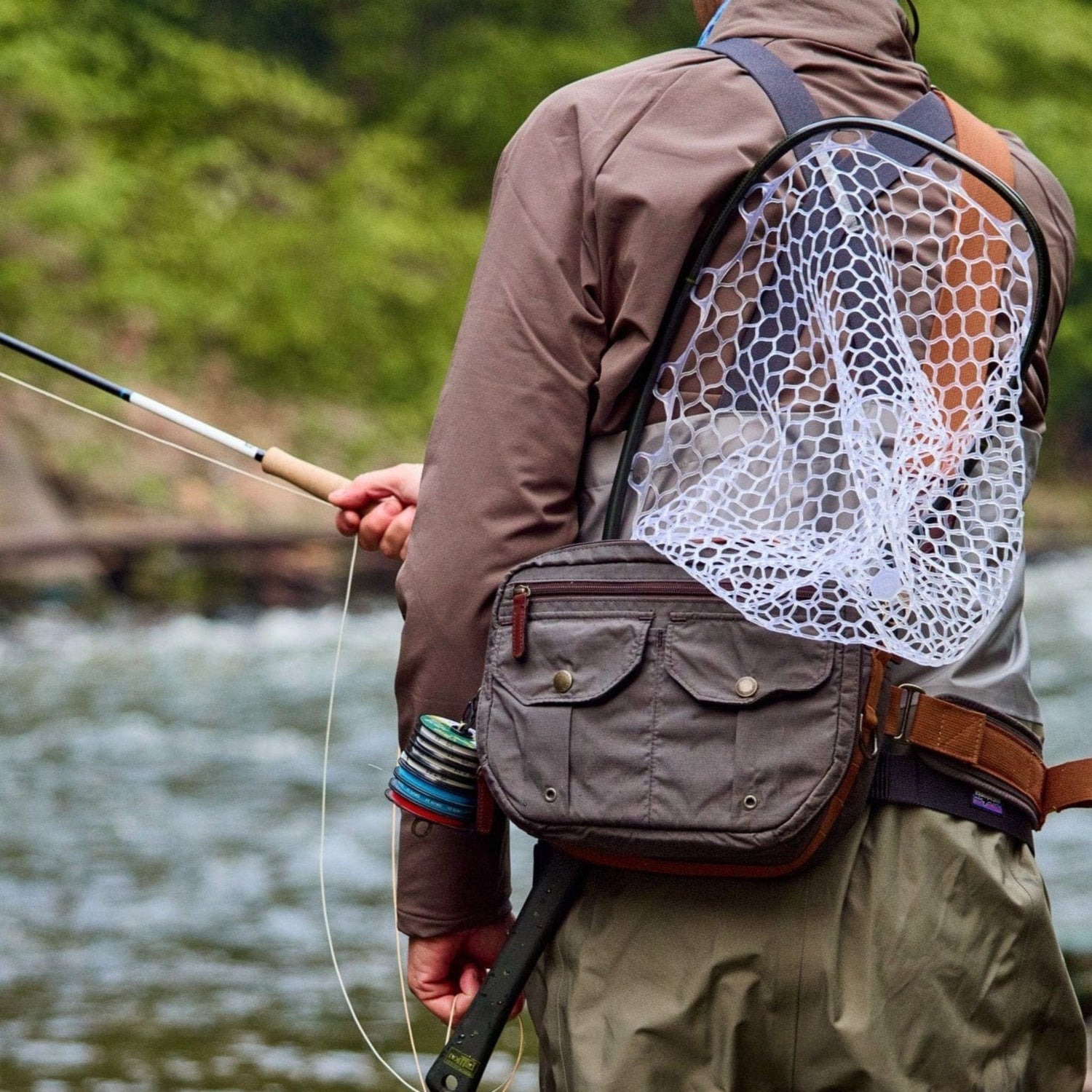
When it comes to fly fishing, having the right gear can make or break your experience. Anglers often debate between using a Fly fishing backpack and a vest. Each option has unique advantages and considerations, depending on your fishing style, location, and personal preference. In this guide, we will explore the differences between a fly fishing backpack and a vest, helping you make an informed decision for your next fishing adventure.
Understanding the Fly Fishing Backpack
A fly fishing backpack is designed to carry all your essential gear comfortably while keeping your hands free. Unlike a vest, a backpack distributes weight evenly across your shoulders and back, making it ideal for long treks or remote fishing spots. Most fly fishing backpacks come with multiple compartments for storing tackle, flies, tools, and even hydration packs.
One key advantage of a fly fishing backpack is its storage capacity. If you’re planning a day-long fishing trip, a backpack can hold extra layers of clothing, snacks, and additional gear without feeling cumbersome. Additionally, many backpacks are designed with waterproof or water-resistant materials to protect your equipment from wet conditions.
Advantages of Using a Fly Fishing Vest
A fly fishing vest, on the other hand, offers quick access to your gear. With multiple front pockets and easy-to-reach compartments, a vest allows you to grab flies, tippet, and tools without needing to remove the bag from your back. This convenience is especially useful when wading in shallow streams or rivers where constant mobility is essential.
Vests are generally lighter than backpacks, reducing fatigue during extended periods on the water. For anglers who prioritize accessibility over storage, a vest can be the ideal choice. Some vests even include built-in attachment points for net holders, forceps, and other essential tools, keeping everything within arm’s reach.
Comparing Comfort and Mobility
Comfort and mobility are critical factors when deciding between a fly fishing backpack and a vest. Backpacks excel in situations where you need to carry heavier loads or hike to distant fishing spots. Their ergonomic design reduces strain on the shoulders and back. However, a fully loaded backpack can restrict your arm movement slightly compared to a vest.
Vests provide excellent mobility, allowing for unrestricted casting and easier maneuvering in tight spaces. The trade-off is limited storage space, which might be an issue on longer trips. Choosing between the two depends largely on how much gear you typically carry and how far you plan to hike to reach your fishing locations.
Storage and Organization
Organization is another area where the differences between a fly fishing backpack and a vest become apparent. Backpacks usually feature larger compartments, zippered pockets, and modular inserts for optimal gear management. This makes it easier to keep your items secure and organized during transport.
Vests, while offering less storage, provide immediate access to frequently used items. Many vests are designed with labeled pockets or specialized compartments for flies, leaders, and tools. If you prefer a minimalist approach with essentials at hand, a vest might suit your fishing style better than a backpack.
Durability and Weather Resistance
When selecting a fly fishing backpack, durability and weather resistance are important considerations. Backpacks are often made from tough materials like ripstop nylon or polyester, providing long-lasting performance. Many also feature water-resistant coatings or fully waterproof compartments to protect sensitive gear from rain, splashes, and river crossings.
Vests are typically made from lighter fabrics with quick-drying properties. While they may not hold up as well under heavy loads or rough conditions, vests are easier to maintain and dry quickly if they get wet. Both options have their strengths, and the choice depends on the environmental conditions you expect to encounter.
Situational Suitability
A fly fishing backpack is ideal for anglers who fish in remote locations, hike long distances, or carry a wide range of gear. Its superior storage and comfort make it perfect for full-day or multi-day trips. Conversely, a vest is better suited for anglers fishing in confined areas, shallow rivers, or spots where mobility and quick access to gear are priorities.
Some anglers even choose to combine the benefits of both by using a smaller vest alongside a lightweight backpack, allowing them to balance mobility and storage effectively.
Price Considerations
Price can also influence your choice between a fly fishing backpack and a vest. Generally, backpacks with advanced features and waterproof compartments tend to cost more than simple vests. However, investing in a quality backpack can be worthwhile if you plan frequent fishing trips and need the extra capacity and protection.
Vests come in a range of prices as well, with basic models offering essential pockets and premium versions including multiple compartments, reinforced stitching, and modular attachment options. The best choice depends on your budget and how often you fish.
Final Thoughts: Choosing the Right Gear
Deciding between a fly fishing backpack and a vest comes down to your fishing style, terrain, and storage needs. If you prioritize comfort, heavy-duty storage, and long-distance hiking, a backpack is the clear winner. If mobility, quick access, and light weight are more important, a vest may be better suited to your needs.
Regardless of your choice, both options can enhance your fly fishing experience when selected based on careful consideration of your requirements. Understanding the pros and cons of each ensures you stay prepared, comfortable, and fully equipped on every outing.