Understanding Structural Steel Installation
What is Structural Steel Installation?
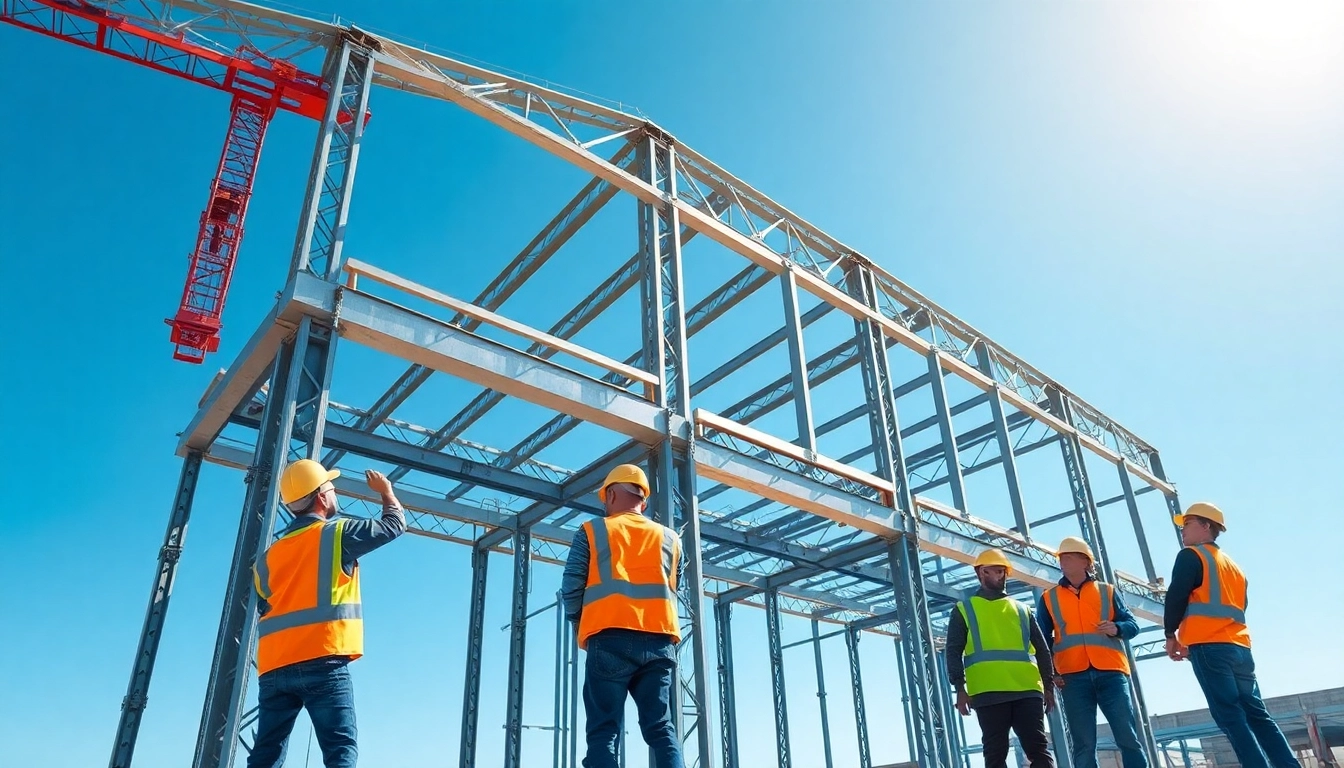
Structural steel installation refers to the process of erecting steel structures that form an integral part of buildings and infrastructures. This involves the assembly of steel components such as beams, columns, and girders to create a framework that supports the entire structure. The installation is usually carried out on-site, necessitating the coordination of various elements such as design specifications, material handling, and labor resources. Understanding the nuances of this process is essential to ensure the safety, reliability, and longevity of the finished structure, making comprehensive knowledge about structural steel installation critical for engineers, contractors, and project managers alike.
Importance of Structural Steel in Construction Projects
Structural steel plays a vital role in modern construction due to its unique properties, including high strength-to-weight ratio, durability, and versatility. These qualities enable architects and engineers to create innovative designs that are not only aesthetically pleasing but also structurally sound. The use of structural steel allows for larger spans in building designs, which minimizes the need for excessive interior columns, providing open and flexible spaces. Additionally, structural steel is recyclable, making it a sustainable choice that aligns with contemporary environmental considerations in construction.
Common Types of Structural Steel Used
There are several types of structural steel commonly used in construction, each serving different purposes based on their properties and structural requirements. The most notable types include:
- Wide Flange Beams (W-Beams): These are commonly used for beams and columns in steel framing.
- Angle Steel: Useful for brackets and supports, angle steel provides structural integrity in various applications.
- Channel Steel: Often used for lintels and secondary support beams, channel steel is known for its lightweight properties.
- Hollow Structural Sections (HSS): These are versatile and can be used for both columns and beams, available in square, rectangular, and circular shapes.
Key Steps in the Structural Steel Installation Process
Preparation and Planning for Successful Installation
Preparation and planning are paramount in the structural steel installation process. This phase includes several critical activities:
- Design Review: An in-depth assessment of engineering drawings and specifications to ensure compliance with safety codes and client requirements.
- Site Assessment: Evaluating the construction site to identify any potential obstacles, including existing structures, topographical challenges, and access points for machinery.
- Material Procurement: Sourcing and scheduling the delivery of steel components to ensure they arrive on-site when needed to avoid delays.
- Scheduling and Coordination: Planning the sequence of installation operations, taking into account other trades on-site and ensuring that materials and manpower are available as per the timeline.
Execution: Aligning and Securing Steel Components
The execution phase requires skilled labor and precision to ensure that all components are positioned accurately. This process includes:
- Initial Assembly: Components are assembled on the ground or via temporary structures to ensure proper fit and alignment.
- Lifting and Placement: Cranes and rigging equipment are utilized to lift steel components into place with exacting precision to avoid misalignment.
- Connections: Steel components are secured using bolts, welds, or rivets. Proper connection techniques are crucial to ensure structural integrity and safety.
Final Inspections and Quality Assurance
Once the installation process is completed, final inspections are conducted to verify that all elements are installed according to the original design specifications. This phase includes:
- Inspection by Engineers: Trained professionals assess the structural connections, alignment, and overall framework integrity.
- Load Testing: Where applicable, load tests are performed to ensure that the structure can endure anticipated loads without any signs of distress.
- Documentation: Accurate records of the installation process, including testing results, are compiled for compliance and future reference.
Safety Protocols During Structural Steel Installation
Essential Safety Equipment for Workers
Given the inherent risks associated with structural steel installation, it is crucial to enforce stringent safety protocols. Essential safety equipment includes:
- Hard Hats: To protect worker heads from falling objects or overhead hazards.
- Safety Harnesses: Required for workers operating at heights to prevent falls.
- Steel-Toed Boots: Provide foot protection against heavy loads and sharp objects.
- High-Visibility Vests: Ensure that workers can be easily seen in various lighting conditions and amidst machinery.
Regular Safety Training and Compliance Checks
Regular safety training is critical to maintaining a safe work environment. This can include:
- Safety Induction for New Workers: All personnel should undergo safety induction to familiarize themselves with site-specific hazards and protocols.
- Ongoing Safety Workshops: Regular training sessions covering topics such as fall protection, material handling, and equipment operation.
- Compliance Audits: Routine inspections and assessments help ensure adherence to occupational safety standards and regulations.
Emergency Response Procedures in Steel Installation
Despite all precautionary measures, emergencies can still arise. Effective emergency response procedures include:
- First Aid Training: Designated team members should be trained in first aid to provide immediate assistance in case of injuries.
- Emergency Contacts: Clear identification and accessibility of emergency contact numbers and nearest medical facilities should be maintained.
- Emergency Drills: Regular drills to practice evacuation and response processes ensure that all workers are prepared to act swiftly should an emergency occur.
Best Practices for Effective Structural Steel Installation
Leveraging Technology in Steel Installation
Modern structural steel installation increasingly relies on technology to enhance efficiency and accuracy. Practices include:
- 3D Modeling Software: Allows for precise planning and visualization of steel structures, helping to identify potential issues before physical assembly.
- Drones: Used for site surveys and inspections, providing aerial views that can identify issues not visible from the ground.
- Robotics and Automation: Robotic systems can assist in repetitive tasks such as welding or bolt-tightening, increasing consistency and reducing labor costs.
Collaboration Among Teams for Efficient Workflow
Effective communication and collaboration between various teams are vital for successful structural steel installation. Steps to improve collaboration include:
- Integrated Project Management Software: Using platforms that enable real-time updates and information sharing among various stakeholders.
- Regular Coordination Meetings: Schedule meetings to discuss progress, challenges, and any changes that need to be managed collaboratively.
- Clear Role Definitions: Establishing clear roles and responsibilities for every team member ensures everyone understands their tasks and contributions.
Feedback and Continuous Improvement Mechanisms
Establishing mechanisms for feedback and improvement ensures that lessons learned during projects can be applied to future installations. Best practices include:
- Post-Project Reviews: Conducting comprehensive reviews after project completion to identify successes and areas for improvement.
- Surveys and Feedback Forms: Gathering input from workers regarding the installation process to identify challenges and potential solutions.
- Training Updates: Incorporating feedback from previous projects into training materials to continuously enhance safety and efficiency.
Measuring Success in Structural Steel Installation
Key Performance Indicators for Installation Projects
Establishing metrics to measure success is essential for evaluating the effectiveness of structural steel installation. Key Performance Indicators (KPIs) include:
- Timeliness: Measuring whether project milestones and deadlines are met as planned.
- Budget Adherence: Assessing how well the project stays within financial constraints, including any unexpected costs.
- Safety Record: Tracking incidents and near misses to evaluate the effectiveness of safety protocols.
Cost Considerations and Budget Management
Managing costs is a critical aspect of structural steel installation to ensure profitability. Effective practices can involve:
- Detailed Budget Planning: Creating a comprehensive budget that accounts for all potential expenses, including materials, labor, equipment, and overheads.
- Regular Financial Monitoring: Reviewing project finances frequently to identify discrepancies between forecasts and actual expenditures.
- Contingency Planning: Setting aside funds for unexpected costs or project changes that could arise during the installation process.
Long-term Implications of Proper Installation for Safety
The proper installation of structural steel significantly impacts the overall safety and sustainability of the constructed facility. Long-term implications include:
- Structural Integrity: A well-installed steel framework is integral to the building’s ability to withstand environmental stresses and loads over time.
- Reduced Maintenance Costs: Proper installation reduces the likelihood of structural failures and the ensuing expenses associated with repairs and maintenance.
- Enhanced Building Lifespan: Structures designed and installed correctly have a longer service life, maximizing the investment made in construction.