Understanding Panel Wall Wood
What is Panel Wall Wood?
Panel wall wood is a versatile building material primarily used for interior wall applications. Unlike conventional drywall, panel wall wood is crafted from solid lumber, engineered wood, or even wood composites, offering a unique aesthetic touch combined with solidity. This type of wall covering can enhance the design and feel of both residential and commercial spaces. It serves not just as a protective layer but also as a crucial element in the style and ambiance of a room. By incorporating panel wall wood, interior designers can create visually striking features that significantly elevate ordinary spaces.
Types of Panel Wall Wood Available
When it comes to panel wall wood, the selection is diverse, each type offering distinct characteristics:
- Solid Wood Panels: Made from hardwood such as oak, maple, or cherry, solid wood panels provide a timeless aesthetic and durability.
- Engineered Wood Panels: Produced using adhesives and multiple layers of wood, engineered wood offers stability and resistance to environmental changes.
- Plywood Panels: Plywood is widely used for paneling due to its light weight and strength, suitable for both decorative and functional applications.
- Veneer Panels: Consisting of a thin layer of hardwood glued onto a core, veneer panels provide a luxurious finish at a more affordable price point.
- Composite Wood Panels: Made from recycled materials, composite panels are eco-friendly options that provide a modern, sleek look.
Benefits of Using Panel Wall Wood
Utilizing panel wall wood in your designs comes with an array of benefits:
- Aesthetic Versatility: Available in various textures, colors, and finishes, panel wall wood allows for custom designs that can fit any theme.
- Durability: Quality wood panels are known for their resilience and long lifespan, even in high-traffic areas.
- Insulation Properties: Panel wall wood can contribute to better insulation, helping to regulate indoor temperatures.
- Eco-Friendly Options: Many panel wall wood products are sustainably sourced, making them an environmentally friendly choice.
- Ease of Maintenance: Wood panels require minimal maintenance, often only needing periodic cleaning and occasional refinishing.
Design Ideas with Panel Wall Wood
Living Room Applications
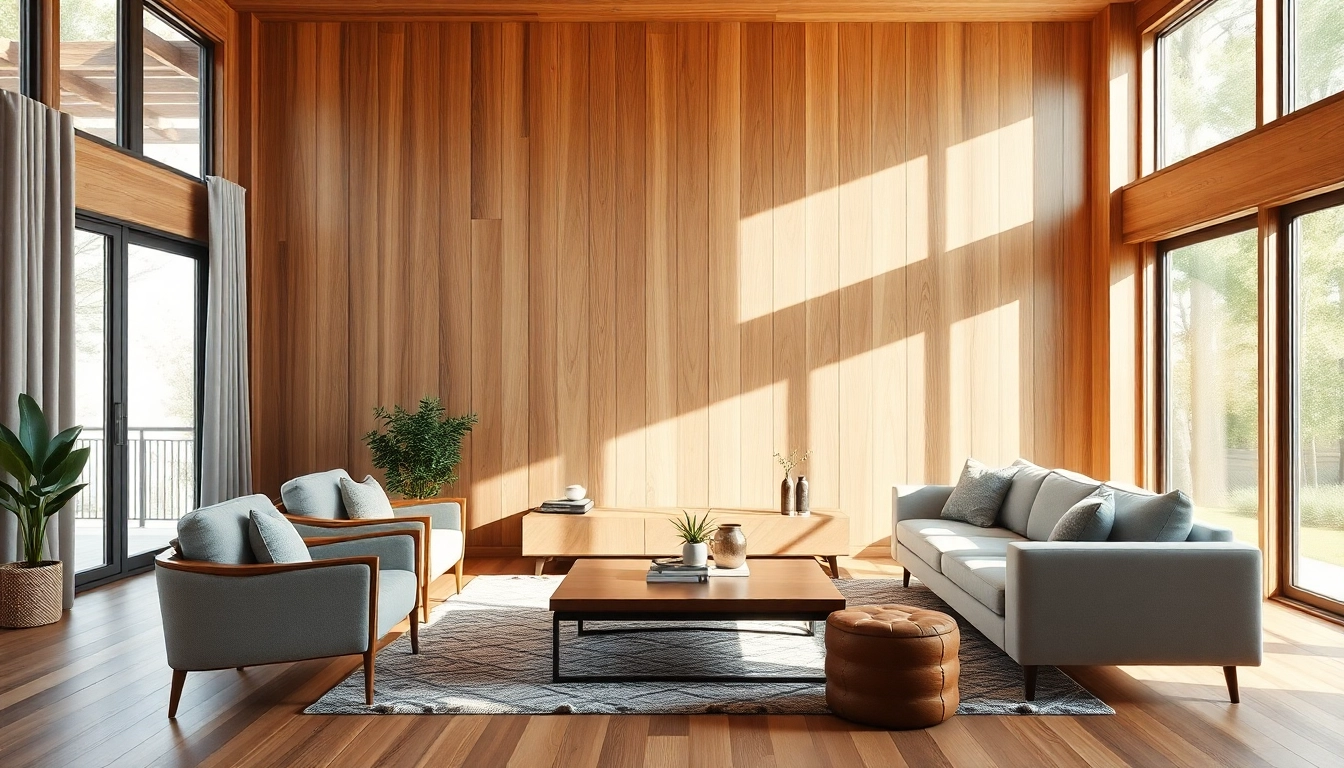
The living room is one of the most common spaces to incorporate panel wall wood. Whether for feature walls, accent panels around fireplaces, or entire wall coverings, the options are limitless. Here are a few ideas:
- Accent Walls: Create a focal point by using a darker wood to accentuate a lighter color palette within the room.
- Textured Feature Walls: Utilize 3D wood panels for visually striking textures which can serve as an art installation.
- Integrating Smart Storage: Combine wall wood with bookshelves or cabinetry for a cohesive look.
Office Settings Enhancements
In office environments, panel wall wood can contribute to professionalism while maintaining warmth and approachability. Here are a few enhancements:
- Conference Rooms: Wood paneling can provide a sophisticated look that impresses clients and promotes collaboration.
- Reception Areas: A well-crafted panel wall wood reception desk can serve as an inviting first impression for visitors.
- Privacy Solutions: Use wood panels in open areas to create informal meeting pods or to enhance acoustics.
Creative Use in Commercial Spaces
Commercial spaces leverage panel wall wood not just for functionality but as a core aspect of branding. Here’s how:
- Restaurants: Panel wall wood can create an inviting rustic atmosphere that enhances the dining experience.
- Retail Stores: Use wood to define different sections of a retail space, guiding customers through the store.
- Cafés: Unique wall patterns using various wood types can serve as photo backdrops, enhancing social media engagement.
Installation Process of Panel Wall Wood
Preparing Your Space for Panel Wall Wood
Before installation, it's vital to prepare the space accurately. Begin by clearing any furniture and wall decorations. Next, inspect the walls for any damage, and repair as needed to create a smooth foundation for your new panel wall wood. Lastly, consider the lighting; adequate illumination can accentuate the beauty of wood.
Step-by-Step Installation Guide
Follow these steps to ensure a successful installation of panel wall wood:
- Measure and Plan: Calculate the total area to be covered and choose your panel layout.
- Gather Materials: Acquire your panel wall wood, adhesive, nails, and necessary tools such as a saw, level, and drill.
- Cut Panels: Pre-cut panels to fit your measurements, allowing for possible expansion and contraction depending on humidity.
- Install Panels: Begin at one corner, applying adhesive and then securing with nails for additional support.
- Finishing Touches: Once installed, fill any nail holes with wood filler and sand down for a smooth finish.
Common Installation Mistakes to Avoid
While installing panel wall wood may seem straightforward, several pitfalls can occur:
- Incorrect Measurements: Double-check all measurements before cutting to prevent wasted materials.
- Poor Adhesion: Ensure that you apply adhesive evenly and firmly press the panels into place.
- Neglecting Acclimatization: Let wood panels acclimate in the room for several days to avoid warping later.
- Insufficient Securing: Failing to secure panels adequately can lead to warping or detachment over time.
Maintenance Tips for Panel Wall Wood
Cleaning and Care Guidelines
Maintaining the appearance of your panel wall wood is key to preserving its charm. Use a soft, dry cloth for regular dusting. For deeper cleaning, mix mild soap with water and use a damp cloth, ensuring not to saturate the wood. Immediately dry any moisture to prevent damage.
Repairing Common Damages
Over time, panel wall wood may sustain scratches or dents. For minor scratches, apply a matching wood stain or marker to conceal them. Deeper gouges may require patching with wood filler, sanding down, and re-staining to blend into the surrounding area.
Preserving Aesthetic Appeal Over Time
To preserve the aesthetic appeal of your panel wall wood, consider applying a protective sealant every few years. This helps shield the wood from environmental factors while maintaining its shine. Regular inspections for moisture damage and ensuring adequate ventilation in the room can further enhance longevity.
Frequently Asked Questions about Panel Wall Wood
How long does panel wall wood last?
With proper care, panel wall wood can last several decades. Quality materials and maintenance significantly enhance its lifespan.
Can I install panel wall wood myself?
Yes, many homeowners choose to install panel wall wood themselves. Following a detailed guide can help ensure a successful installation.
What is the cost of panel wall wood?
The cost varies based on type and quality, typically ranging from $2 to $10 per square foot, excluding installation fees.
Is panel wall wood eco-friendly?
Yes, many manufacturers offer sustainably sourced options, making panel wall wood an eco-friendly choice when selected carefully.
What colors are available in panel wall wood?
Panel wall wood comes in various colors and finishes, ranging from natural wood tones to stained options, accommodating diverse design preferences.