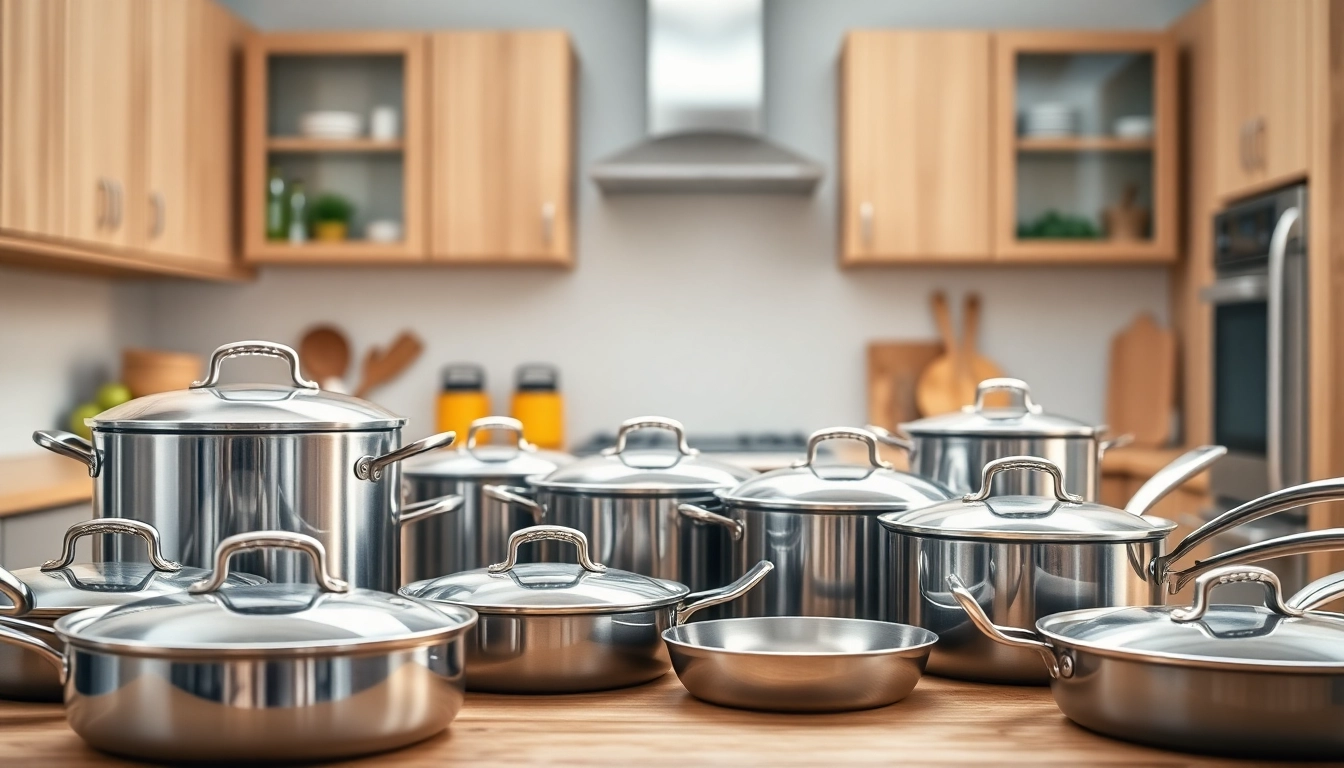
Understanding Cookware: Types and Materials
When stepping into the world of cooking, understanding the essential tools is paramount, and one of the most crucial of these tools is cookware. The right cookware can elevate your culinary endeavors, affecting everything from cooking methods to the final flavors of your dishes. Let's embark on a comprehensive examination of cookware, exploring the types available, the materials they are made from, and how to choose the right pieces for your cooking style.
Common Types of Cookware
Cookware comes in various shapes and sizes, each catering to different cooking techniques and styles. Below are some of the most common types of cookware:
- Pots: Ideal for boiling, stewing, and simmering. Different sizes serve different purposes, from small saucepans to large stockpots.
- Pans: Frying pans (or skillets) are perfect for sautéing and frying. Nonstick options are available for easy cleanup.
- Griddles: Flat cooking surfaces, perfect for pancakes, grilled sandwiches, and bacon. These can be stovetop or electric.
- Bakeware: Includes all types of pans used in the oven, such as muffin tins, loaf pans, and baking sheets.
- Woks: Ideal for stir-frying, woks have high sides and a wide surface area, allowing for quick cooking over high heat.
Materials: Pros and Cons
The materials used in cookware can significantly impact cooking performance. Here are some popular materials, along with their advantages and disadvantages:
- Stainless Steel: Durable and non-reactive, it provides excellent heat conduction. However, it can be prone to sticking without proper oiling.
- Cast Iron: Excellent for heat retention and even cooking. It requires maintenance (seasoning) and can be heavy but stands the test of time.
- Non-Stick: Great for low-fat cooking due to the reduced need for oil. However, it can scratch easily and has a limited lifespan if not cared for correctly.
- Copper: Superior heat conductivity. It requires polishing and should be lined to prevent copper from reacting with food.
- Carbon Steel: Like cast iron, it gets better with age and requires seasoning. It has a lighter weight compared to cast iron.
Choosing the Right Cookware for Your Cooking Style
Your cooking style plays a significant role in determining which cookware is best for you. Consider the following:
- If you often sear meats, a stainless-steel or cast-iron skillet will serve you well.
- For baking enthusiasts, a good set of bakeware in materials like glass or heavy-duty metal is essential.
- Health-conscious cooks may prefer non-stick cookware for reducing fat intake.
- Home chefs who love stir-frying should invest in a good quality wok.
Cookware Sets vs. Individual Pieces
When building your kitchen arsenal, a common dilemma is whether to buy cookware sets or individual pieces. Each choice has its benefits, which can impact your cooking experience.
Benefits of Buying Cookware Sets
Purchasing a cookware set often provides a balanced assortment of pots and pans that work well together. Here are a few benefits:
- Cost-Effective: Sets are typically less expensive than buying pieces individually.
- Consistency: Material and style are uniform throughout the set, promoting good heat distribution.
- Convenience: Sets usually include essential pieces for a fully functional kitchen.
When to Buy Individual Cookware Pieces
While sets have their advantages, purchasing individual cookware can be wise in certain scenarios:
- If you already have some cookware and only need a specific piece to fill a gap.
- When you're looking for specialized cookware, for example, a unique frying pan for a particular dish.
- If you're on a tight budget and can only afford to buy pieces gradually.
Maximizing Value from Cookware Purchases
To ensure you're getting the most out of your cookware investments, consider these tips:
- Research product longevity and warranty options; good quality often saves money over time.
- Use your cookware as intended to prolong its lifespan.
- Stay informed about sales and promotions to acquire high-quality cookware at a better price.
Caring for Your Cookware: Maintenance and Cleaning
Proper care of your cookware is vital for ensuring its longevity and maintaining performance. Each type has specific care requirements worth considering.
General Maintenance Tips
To keep your cookware in top condition:
- Regularly check for scratches or dents, as these can affect cooking quality.
- Follow manufacturer instructions regarding heat settings and use.
- Avoid metal utensils on non-stick surfaces to prevent damage.
Cleaning Different Types of Cookware
Cleaning methods differ based on the cookware material:
- Non-stick: Use a soft sponge and avoid abrasive cleaners to maintain the surface.
- Cast Iron: Clean with a stiff brush and water, and re-season after each use.
- Stainless Steel: Use a mild detergent and a non-abrasive sponge; you can polish for extra shine.
- Copper: Requires specific copper cleaners or a mixture of vinegar and salt to maintain appearance.
Storing Your Cookware for Longevity
How you store your cookware affects its durability. Here are some strategies:
- Stack frying pans with protective cloths between them to avoid scratching.
- Hang pots and pans if possible; this prevents damage and saves space.
- Keep lids separate to prevent scratching on other surfaces.
Choosing Non-toxic Cookware Options
In recent years, safety and health have taken center stage in culinary conversations. Choosing non-toxic cookware is an important part of kitchen choices. This section delves into cookware that prioritizes safety.
Understanding Cookware Safety Standards
Understanding the materials and safety standards can guide you towards non-toxic options:
- Look for cookware that is PFOA and PTFE-free, especially if using non-stick items.
- Avoid heavy metals in cookware materials; always check for certifications.
- Research the manufacturer's materials to ensure compliance with safety standards.
Popular Non-toxic Materials
Many materials meet non-toxic criteria; here are some popular ones:
- Stainless Steel: Safe, durable, and non-reactive, perfect for various cooking methods.
- Cast Iron: A natural, durable material that provides excellent cooking performance when well-maintained.
- Glass: Ideal for baking and microwave use, as it does not react with food.
- Ceramic: Non-stick and made from natural materials, ensuring high safety standards.
Identifying Safe Cookware Brands
Many brands focus on producing safe cookware; look for certifications and reviews when shopping. Consumer advocacy groups often have lists of recommended non-toxic cookware to help guide your purchasing decisions.
Essential Cookware for Home Chefs
Knowing which pieces of cookware are essential can help streamline your cooking experience. Here, we highlight must-have items for a well-rounded kitchen.
Top Must-Have Cookware Pieces
Every home chef requires a few fundamental pieces:
- Frying Pan: Versatile for everything from eggs to searing meats.
- Stockpot: Perfect for soups, stews, and boiling pasta.
- Non-stick Skillet: Great for fragile foods that need careful handling.
- Baking Sheet: Necessary for cookies, roasting vegetables, and general baking tasks.
Innovative Cookware Tools to Enhance Cooking
Technology continually improves cookware options:
- Induction Cookware: For those with induction cooktops, specialized cookware is crucial for proper heating.
- Programmable Cookware: Items like rice cookers or pressure cookers with programmable features simplify meal preparation.
- Multi-use Cookware: Products that serve dual purposes, like an Instant Pot, save space and money.
Budget-Friendly Cookware Options
There are many affordable cookware options available that do not compromise quality:
- Consider look for sales during holiday seasons which provide discounts on cookware sets.
- Invest in versatile pieces that serve multiple functions to maximize utility.
- Shop at outlet stores for high-quality cookware at reduced prices.
Frequently Asked Questions
What is the best material for cookware?
The best material depends on your cooking style. Stainless steel is versatile, while cast iron offers excellent heat retention.
How do I clean non-stick cookware?
Use warm water and a non-abrasive sponge. Avoid metal utensils to prevent scratching.
Can dishwasher use cookware?
Check individual manufacturer instructions. Some cookware, especially non-stick, can be damaged in dishwashers.
Is it safe to use scratched non-stick cookware?
Using scratched non-stick cookware may release harmful chemicals. It's advisable to replace it if damaged.
How long does cookware last?
Quality cookware can last years or even decades with proper care. Maintenance is key to longevity.