Introduction to Saltwater Fly Fishing
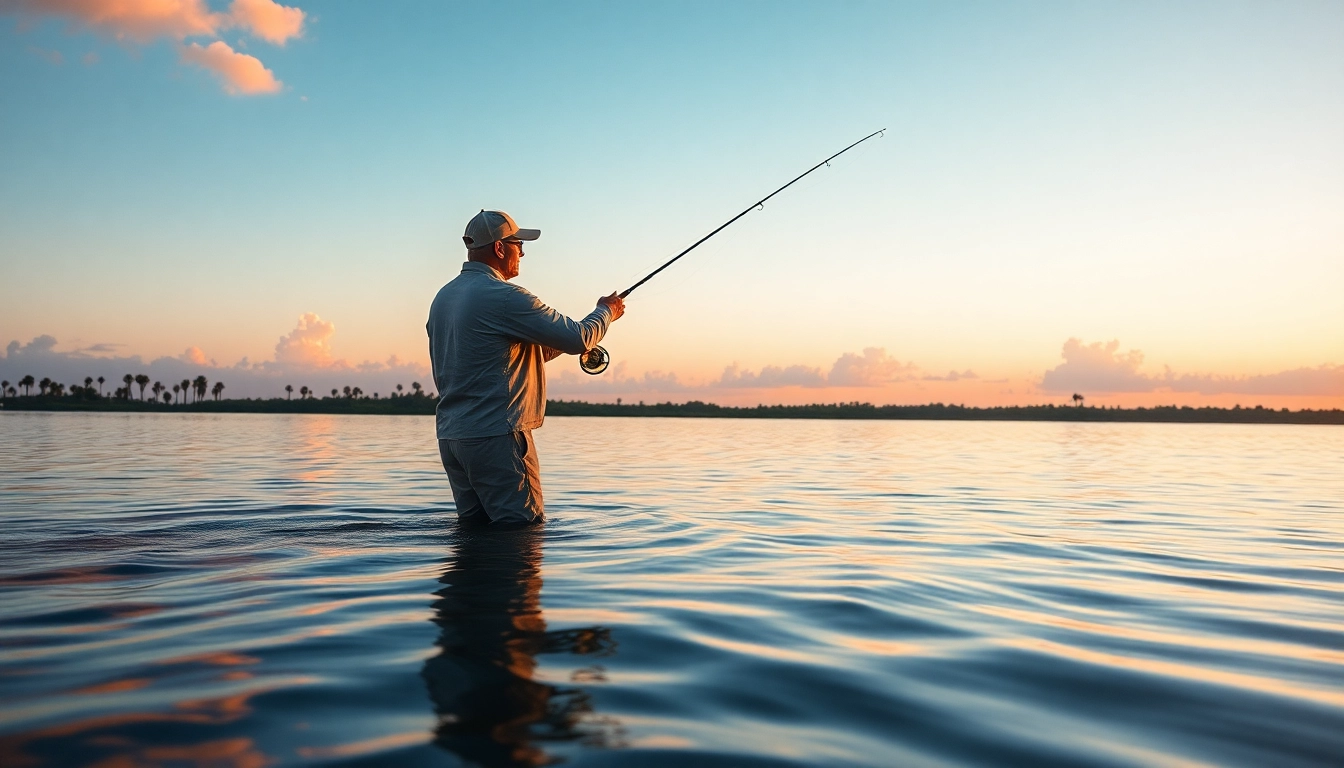
Saltwater fly fishing is one of the most exhilarating forms of angling, allowing enthusiasts to capture the thrill of the fight as they pursue various saltwater species. Whether you're a seasoned angler or a novice looking to dip your toes into this specialized fishing approach, understanding the fundamental aspects of gear, techniques, and optimal locations is essential. Before diving in, it's beneficial to explore resources that enrich your knowledge of Saltwater fly fishing.
Overview of Saltwater Fly Fishing
Saltwater fly fishing involves using lightweight, artificial flies to entice fish residing in oceans, bays, and estuaries. With a history that traces back to the late 19th century, the sport has evolved significantly, garnering a robust community of anglers who appreciate the challenge and artistry involved. Unlike conventional fishing, saltwater fly fishing requires a nuanced approach: understanding tides, reading the conditions, and selecting the right fly can make or break a fishing trip.
Essential Gear for Saltwater Fly Fishing
Choosing the correct gear is vital for a successful saltwater fly fishing experience. Here are the primary components you should consider:
- Fly Rod: A saltwater fly rod typically ranges from 8 to 10 feet in length, featuring a robust construction designed to handle heavier lines and larger fish.
- Fly Reel: Look for a reel that is corrosion-resistant, lightweight, and equipped with an effective drag system to manage aggressive fish.
- Fly Line: Use a weight-forward floating line, as it provides better casts over long distances and helps in managing rip currents.
- Leaders and Tippets: Saltwater leaders are usually made of fluorocarbon due to their invisibility underwater and resistance to abrasion from rough surfaces.
- Flies: Common flies include Clousers, Deceivers, and Crabs, each imitating various prey found in saltwater habitats.
Popular Saltwater Fish Targets
The saltwater realm is ripe with opportunities to catch a plethora of fish species, each offering its own unique challenges and excitement:
- Bonefish: Often considered the ultimate saltwater fly fish, known for their speed and elusive nature.
- Tarpon: Famous for their acrobatic jumps and powerful runs, tarpon provide spectacular sport.
- Snook: Found mostly in warm coastal waters, snooks are aggressive and challenging due to their tendency to hide in cover.
- Permit: Highly sought after, permit are distinct for their wariness and demand precise casting skills.
Techniques and Strategies for Saltwater Fly Fishing
Casting Techniques for Saltwater Fly Fishing
Mastering your casting technique is imperative in saltwater fly fishing. Effective casting not only increases your chances of reaching feeding fish but also enhances line control:
- Double Haul: This technique allows you to add extra distance and power to your cast, indispensable in windy conditions common in saltwater environments.
- Precision Casting: Focus on refining your accuracy, especially when casting to specific fish or within tight structures.
- Roll Cast: This cast is useful when there's minimal room to bring the line back, ideal for tight spaces along shores.
Effective Flies for Saltwater Fishing
Selecting the right flies is crucial in saltwater fly fishing. The following are some effective patterns that every angler should have in their arsenal:
- Clouser Minnow: A versatile fly, effective for a wide range of species, especially in murky waters.
- Crazy Charlie: Perfect for targeting bonefish, this fly mimics small crustaceans.
- Lefty's Deceiver: This baitfish imitation is reliable for catching snook and tarpon.
- Merkin Crab: An essential fly for those targeting permit, known for its realistic appearance.
Navigating Tides and Weather Conditions
Tides play a pivotal role in saltwater fly fishing success. Understanding how tides affect fish behavior can lead to more fruitful fishing trips:
- Incoming Tide: This time typically brings fish closer to shore, making it ideal for targeting species like snook and tarpon.
- Outgoing Tide: As water moves away, fish are often found searching for food, especially near structure.
- Wind Conditions: Strong winds can complicate casting but can also create favorable feeding conditions as bait gets pushed closer to shore.
Choosing the Right Locations for Saltwater Fly Fishing
Best Destinations for Beginners
If you're new to saltwater fly fishing, consider starting at the following accessible and productive locations:
- Florida Keys: Renowned for its diverse fish species and sheltered waters.
- Outer Banks, North Carolina: Offers ample opportunities for fly fishing with various public access points.
- San Diego, California: A thriving saltwater fishery known for its mix of local species and easy access.
Experienced Angler's Top Spots
For seasoned anglers, the following locations promise thrilling encounters with saltwater giants:
- Andros Island, Bahamas: Famous for its bonefish flats, it presents one of the best saltwater fly fishing experiences globally.
- El Cuyo, Mexico: Offers unique opportunities to target permit and tarpon in a less populated area.
- Christmas Island, Pacific Ocean: Ideal for serious anglers seeking big bonefish and triggerfish.
Environmental Considerations and Regulations
Understanding the environmental regulations and protecting marine ecosystems are crucial in saltwater fly fishing. Follow local guidelines such as:
- Catch and Release: Practice catch and release for species that are sensitive or under threat.
- Permit Requirements: Ensure you have the necessary permits, especially in protected areas, to avoid penalties.
- Conservation Awareness: Stay informed about local fishing reports and breeding seasons to fish responsibly.
Tips for Catching Specific Species
Targeting Bonefish with Fly Techniques
Bonefish can be elusive; thus, employing strategies like sight casting and using the right flies can enhance your chances considerably:
- Look for Schools: Watch for disturbances in the water that indicate schools of bonefish feeding.
- Soft Presentation: Use a light tippet and land your fly softly to avoid spooking the fish.
Catching Snook and Tarpon Strategies
Snook and tarpon require distinct strategies due to their size and aggression:
- Snook: Focus on structure and cover where they hide; a stealthy approach is key.
- Tarpon: Look for rolling fish to determine their location; patience pays off as they are notorious for rejecting flies initially.
Seasonality and Migration Patterns
Understanding the seasonal patterns and migrations of saltwater species can significantly improve your chances of success:
- Winter: Many species, including snook, are more challenging to locate as they retreat into deeper waters.
- Spring: Marks the return of fish to shallower waters, making it a prime time for targeting a variety of species.
- Summer: The warmer months create ideal reproduction conditions, leading to abundant fish activity.
- Fall: As temperatures drop, fish begin migrating, offering opportunities for a last hurrah before winter sets in.
Frequently Asked Questions about Saltwater Fly Fishing
Can I catch any fish with saltwater fly fishing?
Yes! Species like bonefish, tarpon, and snook are popular targets for saltwater fly fishing and offer exciting challenges.
What gear should I use for saltwater fly fishing?
Essential gear includes a saltwater fly rod, a durable reel with drag, specialized flies, and robust leaders designed for saltwater conditions.
What are the best times for saltwater fly fishing?
Early morning and late afternoon are ideal due to optimal light conditions and heightened fish activity, especially during tide changes.
Do I need a boat for saltwater fly fishing?
Not necessarily; many successful fishing spots are accessible from beaches or flats, allowing shore-based fishing.
How can I improve my casting technique?
Practice is key! Focus on wrist mechanics and loading the rod correctly; consider taking lessons for personalized guidance and tips.