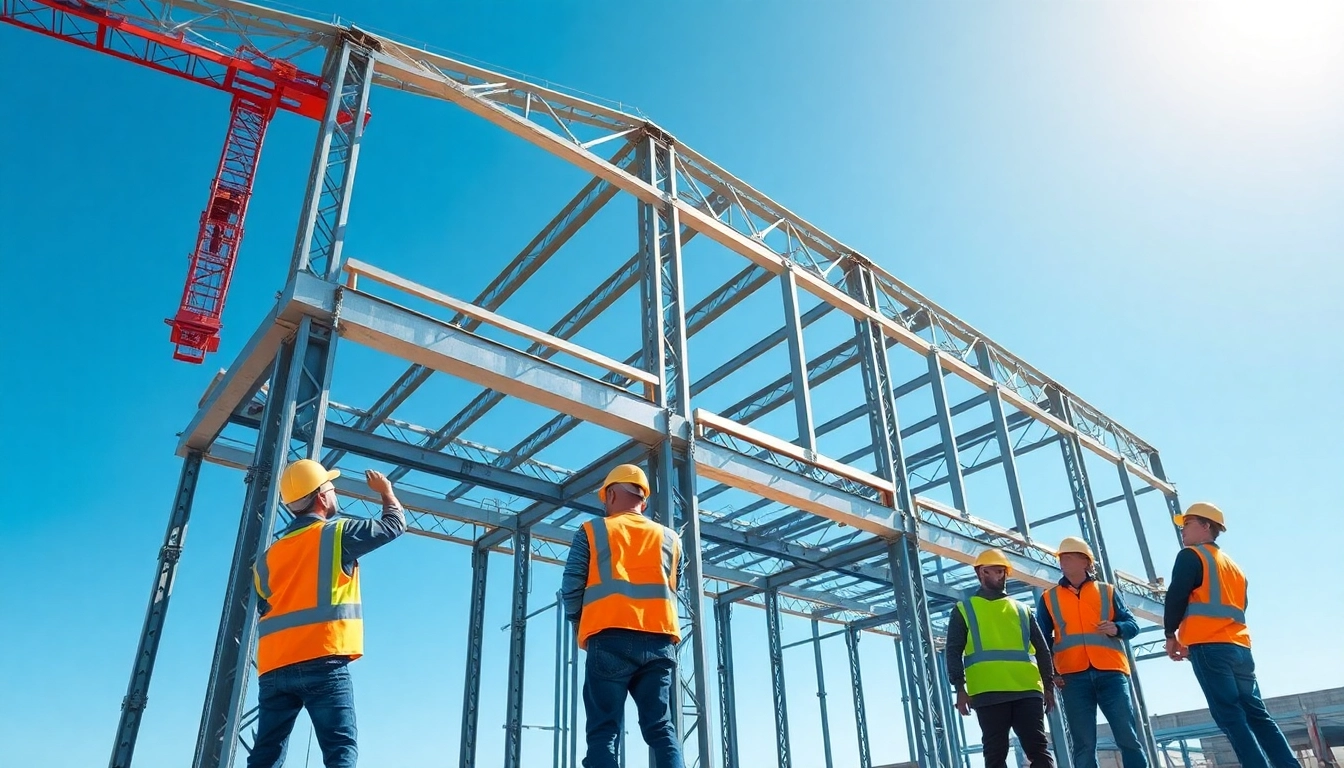
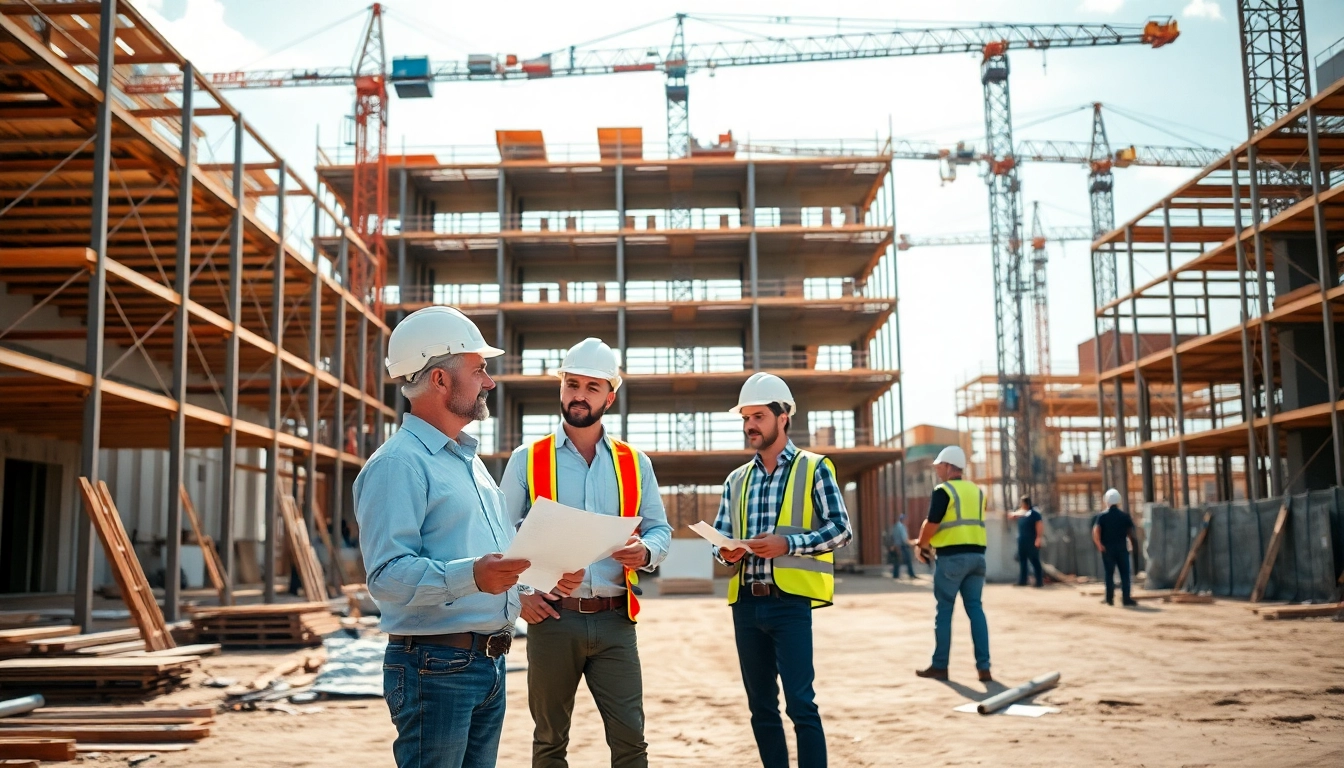
Introduction to Structural Steel Construction
Structural steel construction is a critical element in modern architecture, utilizing steel as a primary material for building frameworks. Known for its strength, durability, and versatility, structural steel construction has emerged as a favored choice for industrial, commercial, and residential applications. This article delves deep into the various aspects of structural steel construction, from its foundational characteristics to its future trends, aiming to provide comprehensive insights for industry professionals and enthusiasts alike.
Definition and Key Characteristics
Structural steel refers to a category of steel used for making construction materials in a variety of shapes. With a carbon content ranging typically from 0.05% to 0.25%, it offers enhanced mechanical properties that allow it to withstand substantial loads. The key characteristics of structural steel include:
- High Strength-to-Weight Ratio: Structural steel offers remarkable strength while remaining lightweight, making it ideal for large-scale construction projects.
- Ductility: It can deform without breaking, allowing buildings to withstand dynamic forces such as wind and earthquakes.
- Uniformity: Steel can be manufactured to specific standards, ensuring consistent quality and performance across structures.
Importance in Modern Architecture
The significance of structural steel in contemporary architecture cannot be overstated. It facilitates innovative designs, allowing architects to push boundaries in terms of shapes and heights. Steel’s inherent properties enable the creation of soaring skyscrapers and complex structures that would be challenging to achieve with other materials.
Common Applications of Structural Steel Construction
Structural steel is widely used in various construction settings, including:
- Commercial Buildings: Offices and retail spaces often rely on steel for their frameworks due to the need for open spaces and aesthetic versatility.
- Bridges: The resilience and strength of steel make it a preferred choice for bridge construction, ensuring longevity and safety.
- Industrial Facilities: Factories and warehouses benefit from steel’s durability and adaptability, allowing for heavy machinery and storage systems.
Types of Structural Steel Used in Construction
Standard Grades and Their Properties
Structural steel comes in various grades, with each type designed for specific applications depending on its properties. Common grades include:
- A36: A low carbon steel grade commercial in the United States, known for good weldability and availability.
- Grade 50: This steel has a higher yield strength and is often used in exposed structures requiring durability.
- Stainless Steel: Known for its corrosion resistance, it is often selected for structures subjected to harsh environmental conditions.
Common Shapes and Profiles
Structural steel is available in various shapes and profiles, which maximize its strength and usability. Common forms include:
- I-Beams: Widely used for their ability to support heavy loads.
- Channels: Less bulky than I-beams, they provide good support for lighter structures.
- Angle Iron: Frequently used in trusses and frameworks, offering excellent strength-to-weight ratios.
Comparative Analysis of Different Steel Types
Choosing the appropriate type of structural steel is crucial for ensuring the integrity and longevity of the construction project. Below is a comparative analysis:
| Type | Strength | Corrosion Resistance | Common Uses |
|---|---|---|---|
| A36 Steel | Moderate | Low | Commercial Buildings |
| Grade 50 Steel | High | Moderate | Bridges, Heavy Structures |
| Stainless Steel | High | Very High | Marine Structures, Chemical Plants |
Advantages of Structural Steel Construction
Durability and Longevity
One of the paramount advantages of structural steel construction is its durability. Steel structures can last well over 50 years with proper maintenance, thanks to their resistance to common issues like rot, mold, and pest infestations. This longevity translates into lower lifecycle costs and less frequent overhauls compared to other building materials.
Cost-efficiency in Usage
The cost-effectiveness of structural steel extends beyond initial construction expenses. Its strength-to-weight ratio means reduced foundations, which lowers overall material costs. Additionally, faster construction times result in significant labor savings, contributing to a leaner budget.
Environmental Sustainability
Structural steel is recognized for its sustainable qualities. It is recyclable and often made from recycled materials, reducing the demand for virgin resources. Furthermore, its lifespan means fewer resources needed for demolition and reconstruction, making it an environmentally responsible choice.
Best Practices in Structural Steel Construction
Design and Fabrication Processes
The design and fabrication process is essential for ensuring the safety and reliability of structural steel construction. Best practices include:
- Use of CAD Software: Computer-aided design tools can enhance accuracy and efficiency when creating structural plans.
- Standardization: Utilizing standardized components can simplify the fabrication process and reduce costs.
Site Preparation and Execution
Effective site preparation is crucial for the successful implementation of structural steel construction. This involves:
- Soil Testing: Understanding soil conditions can inform foundation design and prevent future structural issues.
- Safety Protocols: Implement robust safety measures to protect workers and ensure compliance with health regulations.
Quality Control and Safety Measures
Ensuring quality and safety in structural steel construction cannot be overlooked. Key strategies involve:
- Regular Inspections: Conducting thorough inspections during fabrication and installation helps identify and address issues early.
- Compliance with Standards: Adhering to construction and material standards guarantees the structural integrity of the projects.
Future Trends in Steel Construction Techniques
Advancements in Technology and Innovation
The future of structural steel construction is poised for transformative advancements driven by technology. Innovations include:
- 3D Printing: This technology promises to revolutionize the fabrication of complex steel components, leading to efficiency and reduced waste.
- Robotics and Automation: Automation tools are enhancing accuracy in assembly and reducing labor costs on-site.
Impact of Sustainable Practices
Sustainable practices will gain further prominence in the industry. This includes:
- Green Steel: The development of low-carbon steel production processes is underway, aiming to minimize the carbon footprint of structural steel.
- Lifecycle Assessment: More projects will incorporate lifecycle assessments to evaluate environmental impact and optimize resource use.
Integration with Other Building Materials
Structural steel is increasingly being integrated with alternative materials, such as cross-laminated timber and advanced composites, to enhance overall performance and aesthetics. This synergy allows for greater design flexibility and improved sustainability.
FAQs
What is structural steel construction?
Structural steel construction utilizes steel beams and columns to form frameworks for buildings, providing high strength and durability.
How long does structural steel last?
When properly maintained, structures built with structural steel can last between 50-100 years due to the material’s resilience.
What are the types of structural steel?
Common types include carbon steel, alloy steel, and stainless steel, varying in strength, ductility, and resistance to corrosion.
What is the role of a structural steel worker?
They fabricate, assemble, and install steel structures, cutting, shaping, and connecting steel components on-site.
How do structural steel constructions benefit the environment?
Steel is recyclable and incorporates recycled content, which results in lower resource consumption and waste in construction.