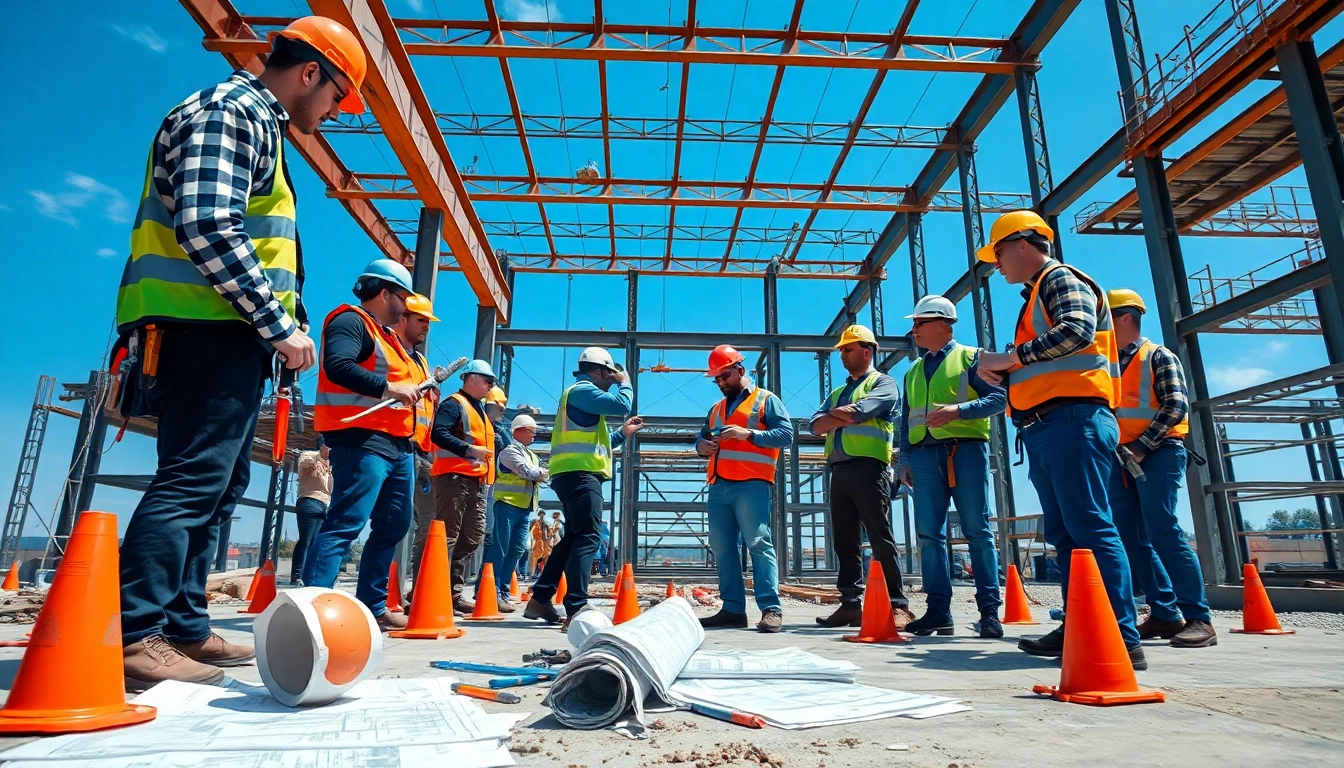
Understanding Structural Steel Welding
Structural steel welding is a critical process within the construction and manufacturing industries, specifically designed to join steel structural components. This method forms an integral part of building infrastructures like bridges, skyscrapers, and industrial facilities, significantly contributing to their overall strength and stability. By employing various welding techniques, professionals can effectively connect different steel materials, resulting in robust and durable structures. With the increasing demand for infrastructure development and a consistent rise in construction projects, the importance of structural steel welding cannot be understated.
What is Structural Steel Welding?
Structural steel welding refers to the technical process used to join metal elements of varying sizes, shapes, and thicknesses to create large load-bearing structures. This welding process can involve techniques such as Shielded Metal Arc Welding (SMAW), Flux-Cored Arc Welding (FCAW), Gas Metal Arc Welding (GMAW), and others. Each method has distinct advantages and drawbacks, depending on the specific requirements and scale of the project.
Importance in Construction and Industry
The significance of structural steel welding in the construction and industrial sectors is profound. It allows for the creation of complex designs and structures capable of withstanding substantial loads and environmental pressures. Key benefits include:
- Durability: Proper welding creates a strong bond that enhances the longevity of structures.
- Versatility: Welding can be applied to a variety of metals and alloys used in construction.
- Cost-Effectiveness: Efficient welding techniques reduce the need for additional materials or reinforcements, thereby lowering overall project costs.
- Accelerated Construction: Advanced welding processes can streamline construction timelines, facilitating quicker project completions.
Common Uses of Structural Steel Welding
Structural steel welding finds applications in numerous sectors, including:
- Building Construction: Essential for erecting skyscrapers and commercial buildings.
- Bridges: Used in the fabrication and repair of steel bridges that must support heavy traffic loads.
- Industrial Facilities: Vital in constructing warehouses, factories, and other industrial buildings.
- Infrastructure Projects: Integral to roads, railways, and other infrastructure systems.
Methods of Structural Steel Welding
Popular Welding Techniques Explained
Several welding techniques serve differing needs in structural applications:
Shielded Metal Arc Welding (SMAW)
SMAW, often referred to as stick welding, is a manual arc welding process that is widely used due to its simplicity and versatility. It involves an electrode coated in flux, which protects the weld area from contamination during the process. SMAW is particularly useful in outdoor conditions and for thicker materials.
Gas Metal Arc Welding (GMAW)
GMAW, or MIG welding, employs a continuously fed wire electrode and shielding gas to protect the weld. This method allows for faster weld speeds, making it ideal for production environments. Its cleaner finish provides less post-weld cleanup.
Flux-Cored Arc Welding (FCAW)
FCAW can be seen as a hybrid technique that combines elements of SMAW and GMAW. It utilizes a tubular wire filled with flux that provides protection from oxidation. FCAW is often used in construction and repair applications due to its versatility and efficiency.
Comparing SMAW and GMAW
When it comes to choosing between SMAW and GMAW, several factors must be assessed:
- Operability: SMAW requires more manual skill compared to GMAW, which can be beneficial for intricate welds.
- Speed: GMAW typically allows for much faster welding than SMAW due to continuous operation.
- Usability in Adverse Conditions: SMAW performs better in windy or outdoor conditions, while GMAW is not as effective outside due to gas dispersion.
- Weld Quality: GMAW tends to provide cleaner welds with less spatter than SMAW.
Choosing the Right Method for Your Project
Choosing the appropriate welding method depends on several criteria, including the project scope, material type, environmental factors, and required weld quality. A detailed assessment of these factors will help professionals make an informed decision to maximize effectiveness and minimize costs.
Safety Practices in Structural Steel Welding
Essential Safety Gear for Welders
Welding involves numerous risks, which necessitates the use of appropriate personal protective equipment (PPE) to ensure safety on the job. Essential gear includes:
- Welding Helmets: Protects face and eyes from harmful radiation and flying debris.
- Gloves: Insulated gloves prevent burns and provide a better grip.
- Protective Clothing: Flame-resistant jackets and long pants protect against sparks and heat.
- Respirators: Essential in environments with fumes or insufficient ventilation.
Risk Management and Safety Protocols
Implementing a robust risk management strategy is imperative for minimizing accidents. Key safety protocols include:
- Environment Assessment: Conduct thorough evaluations of the workspace, ensuring sufficient ventilation and no flammable materials nearby.
- Regular Equipment Checks: Routine maintenance of welding equipment helps prevent malfunctions and hazards.
- Training: Providing comprehensive training leads to a safer workplace.
- Emergency Preparedness: Establish and communicate emergency procedures, ensuring all team members know how to respond.
Creating a Safe Work Environment
A safe work environment is pivotal in the welding industry. Employers should foster a culture of safety by involving employees in safety discussions, performing regular safety audits, and ensuring a designated safety officer supervises operations. This encourages accountability and a collective commitment to safety practices.
Regulations and Standards in Structural Steel Welding
Understanding Welding Codes and Certifications
Welding is governed by strict regulations and codes that ensure quality and safety standards are met across all projects. The AWS D1.1 code sets essential guidelines for structural welding, ensuring structural integrity and durability.
Quality Assurance in Steel Welding
Quality assurance processes evaluate the integrity of welds through a series of inspections and testing methods, including:
- Visual Inspection: Observing welds for any apparent defects such as cracks or porosity.
- Nondestructive Testing (NDT): Techniques such as ultrasonic testing (UT) and radiographic testing (RT) ensure weld quality without damaging the structure.
- Destructive Testing: Conducting tests where samples of the welds are cut apart to determine their strength and structural integrity.
Staying Compliant with Industry Standards
Compliance with industry standards not only ensures quality but also legal adherence. Regular training on updated codes and guidelines is essential for welders, fabricators, and other personnel involved in welding practices. Staying informed about changes in regulations helps maintain compliance and quality assurance.
Career Opportunities in Structural Steel Welding
How to Become a Structural Steel Welder
Becoming a structural steel welder typically requires a combination of education, certification, and hands-on experience. Generally, prospective welders follow these steps:
- Education: Many welders begin with a high school diploma followed by technical schooling, where they learn about metallurgy, welding techniques, and safety practices.
- Training: Apprenticeships provide essential on-the-job training under the supervision of experienced welders.
- Certification: Obtaining certifications from recognized organizations, such as the American Welding Society (AWS), enhances employability.
Career Growth and Job Security in the Industry
The welding industry offers substantial opportunities for career growth and stability. As infrastructure projects continue to rise across the United States, skilled welders are in high demand. The combination of emerging technologies and the need for updated infrastructures provides a secure future for structural welders.
Training and Certification Programs Available
A variety of training and certification programs exist for aspiring structural welders. These include community college courses, vocational programs, and industry-specific certifications. The American Welding Society (AWS) offers numerous welding certifications, which enhance professionals’ credentials and marketability.